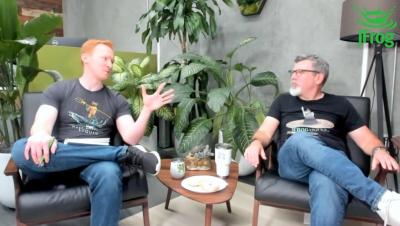
iMessage Tips & Hidden Features You Should Know About..
#iphonetips #shorts #imessage #imessageeffects


The latest News and Information on DevOps, CI/CD, Automation and related technologies.
#iphonetips #shorts #imessage #imessageeffects
Virtual machines (VMs) have been around for quite some time now and have become a cornerstone of modern-day IT infrastructure. They provide a convenient way to run multiple operating systems on a single physical machine, allowing users to consolidate their hardware and save costs. However, as VM technology has evolved, newer versions of VMs have been introduced, such as generation 1 and generation 2 VMs.
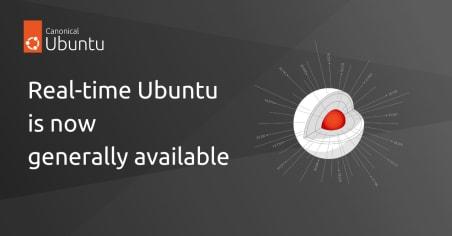
Welcome to this three-part mini-series on real-time Linux. In Part I, we set the stage for the remainder of the series by defining a real-time system, and went through common misconceptions. We also covered the broad market applications of a real-time Linux kernel. Several applications across a wide range of use cases and verticals require real-time computing capabilities. Sectors like industrial automation, energy and transportation have strict precision requirements for their systems.
Meeting bandwidth capacity needs of customers is a crucial business objective for today’s providers. While both coarse wavelength-division multiplexing (CWDM) and dense wavelength-division multiplexing (DWDM) are modern forms of wavelength-division multiplexing (WDM) that effectively solve those increasing bandwidth needs by upgrading the utilization of new and existing fiber, they are each designed to tackle different network challenges.
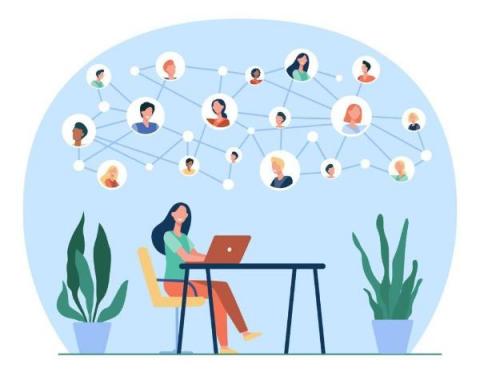
Would you believe us if we say that the term “remote management” was once a nightmare for conservative or old-school managers? No matter how much it seems to be hyped today, there was a time when remote management was considered a nightmare for several dated enterprise owners across the globe. After the massive COVID pandemic hit, the concept of remote working seems to have leveled up. Did we mention this is not going to be easy though?