Operations | Monitoring | ITSM | DevOps | Cloud

The latest News and Information on DevOps, CI/CD, Automation and related technologies.

Centralized Firmware Update of Power Infrastructure to Improve Cybersecurity

Today, it’s more important than ever to secure your critical infrastructure. You just have to look at some of the large cyberattacks that occurred this year to understand why. In 2020, 80.7% of organizations suffered at least one successful cyberattack, and 35.2% suffered six or more. You must follow best practices to avoid being one of these victims.

Manage GKE services with Cloud Operations

Cloud Operations can help you quickly isolate or eliminate infrastructure issues from a limited set of data, but how can you identify problems with your service itself? And when there's a problem, how can you quickly fix it? In this episode of Engineering for Reliability, we’ll show how you can manage your services running on GKE with Cloud Operations.

DevSecOps is a practice. Make it visible

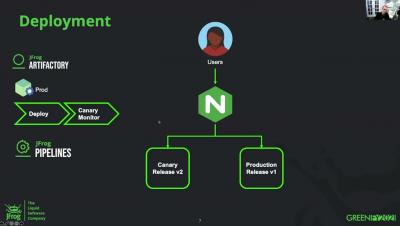
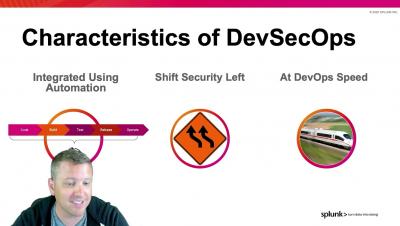
Security should be embedded in DevOps by default, but for many organizations, it is not. Enter “DevSecOps”. What is DevSecOps? It is a practice to build more secure applications, secure the software factory, and secure cloud workloads. Because it is a practice it needs to be visible. In this session hear about the ways tech-enabled enterprises approach a DevSecOps practice, how they make it visible, and how Splunk + JFrog can accelerate your journey.

Self-service reliability with Internal Developer Platforms and Chaos Engineering

Get started with Gremlin's Chaos Engineering tools to safely, securely, and simply inject failure into your systems to find weaknesses before they cause customer-facing issues. Up until the early 2000s, developers and Ops (at the time IT) had separate and often competing objectives, separate department leadership, separate key performance indicators by which they were judged, and often worked on separate floors or even separate buildings.

What Is the Future of Remote Infrastructure Management?

Once upon a time, the prospect of an organization letting another organization manage its IT infrastructure seemed either inconceivable or incredibly dangerous. It was like someone handing their house keys to a stranger. Times have changed. Remote Infrastructure Management (RIM) — when Company X lets Company Y, or a piece of software, monitor and manage its infrastructure from a remote location — has become the standard in some industries.