Mailchimp
Not subscribed to OpsMatters Newsletter


The introduction of Google Maps in 2005 changed the way we think about the internet. It’s hard to remember now, but there was a time where the internet was disconnected from the physical world. You might find a business’s website, and if you were lucky, they’d have an address included. A national chain of restaurants or grocery stores probably wouldn’t be able to tell you their nearest location to your home. All of that has changed, today.
he Graylog community is what makes the product so exciting. It is awesome to see our community members take the time to help everyone over on our community forums, twitter, reddit or on their own private channels. I wanted to take some time to highlight a blog post by Community member BlueTeamNinja (aka Big Abe) who, after tackling a Graylog deployment shared lessons learned from a non-Linux/non-Elk person.
Logging your Kubernetes clusters to LogDNA is already a breeze, and now the LogDNA Kubernetes agent Helm chart makes it even easier. Helm is the official package manager for Kubernetes. With Helm, deploying and managing Kubernetes applications is as simple as typing a single command. This makes deploying the LogDNA agent across your cluster absolutely effortless.
Yesterday our founder and CEO Nate Taggart announced his decision to step down from his post. While his presence will be missed by all of us, he made this choice in order for Stackery to bring in a new CEO with the experience and pedigree to steer the business to the next level.
Cloud is driving the way modern software is being built and deployed. At the forefront of this revolution is AWS, holding a whopping 33% of the cloud services market in Q1 2019. Considering AWS had a seven-year head start before its main competitors, Microsoft and Google, this dominance is not surprising. AWS offers, by far, the widest array of fully evolved cloud services, helping engineers to develop, deploy and run applications at cloud scale.
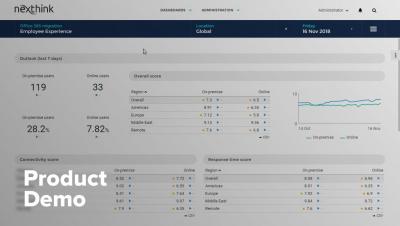
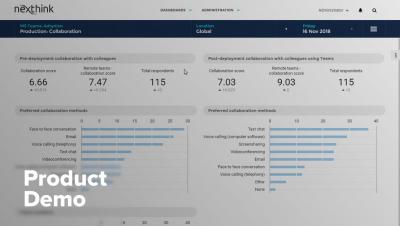
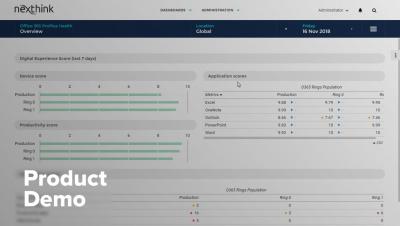
With a shift toward the Internet of Things, where always-on connectivity is paramount, digital experience monitoring (DEM) is a transformational way of looking at application and end-user monitoring. DEM asks more than whether you have a slow website, it looks at how every step in the user’s experience performs at a granular level. This discipline measures the website’s response to the user’s needs.