Mailchimp
Not subscribed to OpsMatters Newsletter


With an estimated 400 million small and medium-sized businesses (SMBs) operating worldwide, they account for 95% of global organizations. This places SMBs as one of the main sources of job creation and the foundation of the global economy.
In our previous blog, we discussed the difficulty in capturing all relevant diagnostics during an incident before a “band-aid” fix is applied. The most common, concrete example of this is an application running in a container and the container is redeployed—perhaps to a prior version or the same version—simply to solve the immediate issue.
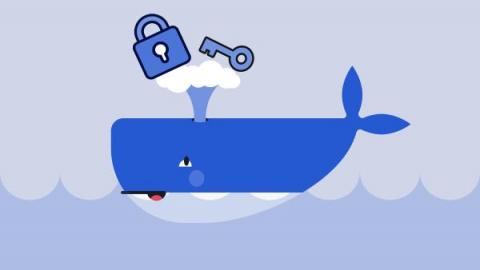
Securing sensitive data is crucial for any application, but managing this data can be complex and error-prone. Docker secrets provide a reliable and secure way to handle sensitive information like passwords, API keys, and certificates in your Docker environment. In this introductory guide, we’ll explore what Docker secrets are, how to use them with practical examples, and share some best practices to help you safeguard your sensitive data effectively.
Access control is a security mechanism that regulates who has access to sensitive data, resources, and systems. It ensures that only authorized users can access sensitive data and activities while keeping unauthorized users out. Access control is critical for protecting sensitive data such as personally identifiable information (PII), financial information, and intellectual property.
IBM, popularly known as Big Blue, is one of the most recognized brands in the world. And rightfully so, considering their role in many of our technological innovations over the past century. IBM is among the top 5 vendors for servers and storage devices—commanding a major market share for both the products despite their recent shift of focus towards computing innovations like quantum computing. IBM also makes other hardware devices like routers, switches, printers, load balancers, and firewalls.