Mailchimp
Not subscribed to OpsMatters Newsletter


Google Cloud Operations, formerly known as Stackdriver, is relatively new to the observability space. That being said, its position in the GCP ecosystem makes the platform a serious contender. Let’s explore some of the key ways in which Google Cloud Operations differs from Coralogix, a strong full-stack observability platform and leader in providing in-stream log analysis for logs, metrics, tracing and security data.
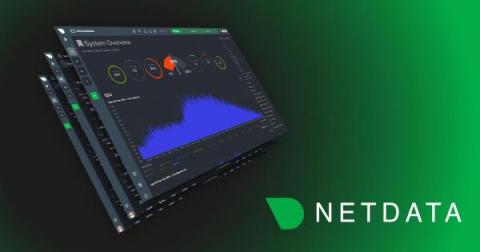
In this blog, we will walk you through the basics of getting Netdata, Prometheus and Grafana all working together and monitoring your application servers. This article will be using docker on your local workstation. We will be working with docker in an ad-hoc way, launching containers that run /bin/bash and attaching a TTY to them. We use docker here in a purely academic fashion and do not condone running Netdata in a container.
Netdata reads /proc/
Netdata monitors tc QoS classes for all interfaces. If you also use FireQOS it will collect interface and class names. There is a shell helper for this (all parsing is done by the plugin in C code - this shell script is just a configuration for the command to run to get tc output). The source of the tc plugin is here. It is somewhat complex, because a state machine was needed to keep track of all the tc classes, including the pseudo classes tc dynamically creates. You can see a live demo here.