We help you find and fix issues with your cloud apps fast. Exoprise is the leading solution provider for monitoring SaaS services like Microsoft 365, Box, Dropbox, Salesforce.com and more.
From databases to servers, communication systems, operating systems and custom applications, NiCE provides the right application monitoring solutions and services.
Monitive is an uptime monitoring service, where users sign up and input their website address, which we check every minute, from a random location around the world, and instantly notify them when their site is down.
EventSentry is an award-winning Hybrid SIEM which features real-time log, system health and network monitoring to proactively monitor networks and preemptively respond to threats.
ManageEngine crafts comprehensive IT management software with a focus on making your job easier. Our 90+ products and free tools cover everything your IT needs, at prices you can afford.
Raygun is a Software Intelligence Platform that gives companies visibility into software problems. Errors, crashes and slow loading pages and scripts affecting end users are automatically detected, enabling teams to build excellent user experiences.
Cloud computing offers a scalable, flexible, and adaptable way for your organisation to manage its IT infrastructure. It can reduce your running costs, enhance security, and ensure that your employees have access to the resources and digital tools they need to work effectively. But no single implementation of cloud computing will be identical. Many enterprise cloud approaches will be bespoke and hybrid, combining both public and private cloud solutions with on-premise infrastructure.
Java has long been a foundational pillar in application development, its versatility and robustness serving as key drivers behind its widespread adoption. Since its inception, Java has evolved to meet the ever-changing demands of scalable deployments, offering a reliable platform for creating everything from web applications to complex, server-side systems.
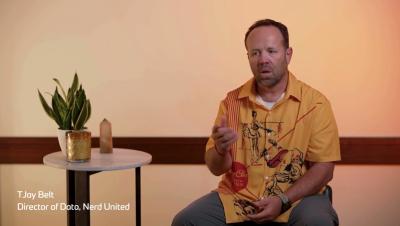
TJay Belt, Director of Data at Nerd United, shares his favourite feature of SQL Prompt. SQL Prompt enables users to write high quality SQL faster. As well as autocompleting your code, SQL Prompt takes care of formatting, object renaming, and other distractions, so you can concentrate on how the code actually works..
Mitigating business risk is a key enterprise priority. To avoid unnecessary exposure to the business, technical teams need a proactive approach to managing incidents. While this is a well-known challenge, it’s also much easier said than done. Over the years, many organizations have cobbled together their own bespoke processes for managing different types of incidents.
Reliability metrics in software development are metrics that help teams quantify how dependable and consistent their software systems are over time. By converting a wide range of technical properties into hard data, these provide quantifiable information to understand the probability of software running failure-free in a given environment over time. These metrics are a subset of developer-focused key performance indicators (KPIs), data that is gathered to emphasize developers' output.
Grafana Agent v0.40 is now available. You can take a look at the changelog for the full list of changes as well as our upgrade guide for breaking changes, but we’ve compiled some of the highlights in the latest Agent release below.
Docker has a storied history of being one of the most widely used developer toolings of all time. In the early days of containers, it was the only thing being used for local container development, and their contributions will be forever remembered as a major factor in the speed at which container technology was adopted. Docker also created a container orchestration platform called Docker Swarm.