Operations | Monitoring | ITSM | DevOps | Cloud

Query Distinct Tag Values in Under 30ms with the InfluxDB 3 Distinct Value Cache

The Distinct Value Cache (DVC) available with InfluxDB 3 Core and InfluxDB 3 Enterprise lets you cache distinct values of specific columns and query those values in under 30ms. The DVC is an in-memory cache that stores distinct values of one or more columns in a table. It is typically used to cache distinct tag values, but you can also cache distinct field values.

The hidden costs of "free" cloud credits: A wake-up call for businesses

To read the full findings from this research, visit our whitepaper "Decoding Cloud Credits" by clicking here. The allure of "free" cloud credits can be tempting, but beneath the surface lies a complex web of risks and consequences that can ultimately lock businesses into costly and restrictive cloud ecosystems. Our latest whitepaper, "Decoding Cloud Credits", explores the true costs of these promotional offers and the implications for businesses.

How Cortex brings visibility, governance, and self-service to Kubernetes operations

Platform teams handle cluster provisioning manually because it requires oversight. A product team needs a cluster, so they submit a request. Someone reviews the configuration, provisions it through the cloud provider, waits for it to spin up, and sends back access details. Two days later, the cluster is ready. The delay is intentional. Without review, teams provision oversized clusters that blow budgets, misconfigure networking, or deploy in the wrong regions.

How AI-Native Pipelines Reduce 80% of Noisy Data for Lower Costs and Better Security

Security data is exploding. Most organizations see their telemetry volumes double every two to three years, driven by cloud adoption, distributed architectures, and an expanding attack surface. Yet only a small percentage of that data contains real indicators of compromise. Analysts estimate that nearly 80 percent of SIEM and observability logs have little or no analytical value.

AI Chief of Staff for Engineering Leaders

Meet Cortex’s AI Chief of Staff, your new strategic partner for engineering leadership. This isn’t just another dashboard. It’s an intelligent advisor that connects your engineering data, scorecards, and DORA metrics to give you real-time, actionable insights. What you'll learn in this video: Cortex’s AI Chief of Staff brings clarity and confidence to decision-making, helping leaders transform meetings into strategic, data-driven conversations that drive continuous improvement.

Bring incident response to AI stack with ilert's MCP Server

ilert’s engineering team has developed an open Model Context Protocol (MCP) server that enables AI assistants to securely interact with your alerting and incident management workflows, from determining who is on call to creating incidents. In this article, we provide a simple explanation of MCP, outline the reasons behind our investment in it, describe the high-level architecture, and explain how to connect Claude, Cursor, and other MCP clients to ilert today.

Shadow AI on Trial: The Phantom Threat to Compliance

Every law firm I meet can explain its information security policy in minutes. Far fewer can tell me which AI tools their staff actually used last week, and what data those tools touched. That gap is where Shadow AI sits, such as unsanctioned, unmonitored use of generative AI slips in. It promises speed, but it quietly creates exposure: confidentiality breaches, weak auditability, and a risk to governance when the regulator (or a client’s GC) asks hard questions.

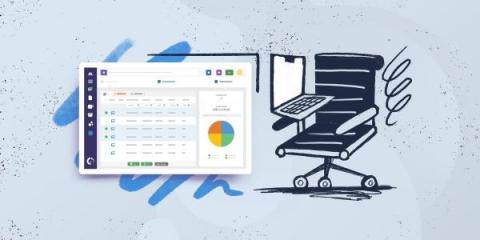
IT Inventory Management Software: 8 Options For 2026

IT Inventory Management software is essential for organizations because it automates and streamlines many of the tasks involved in managing IT assets. With so many options available, choosing the right one isn’t always easy. To help, we combined market research based on public data with our experience supporting hundreds of organizations in implementing InvGate Asset Management, our IT Asset Management solution.

Chargeback Vs. Showback: Choosing The Right Cost Allocation Model For FinOps

One of the most challenging aspects of running a SaaS business is dealing with highly variable costs. Every service you provide needs resources, and the demand for those resources fluctuates. Just when you think you’ve got this quarter’s budget nailed down, an engineer makes a restructuring decision or a new feature launch exceeds expectations (or falls flat). Suddenly, your bill looks totally different than what you were expecting.