Building a culture of incident response is not just about solving problems; it is about creating stronger teams, empowering individuals, and fostering a more resilient and thriving workplace. How do you achieve this culture and improve your incident management processes? Let’s dive in;
It can be hard to figure out why response times are high in Java applications. In my experience, when engineers investigate this type of issue, they typically use one of two methods: They either apply a process of elimination to find a recent commit that might have caused the problem, or they use profiles of the system to look for the cause of value changes in relevant metrics.
Technical debt is the enemy of innovation. It restrains people, processes, and technology in a way that prohibits modernization. How do you decouple an organization from legacy technical debt and free up resources to tackle more important strategic efforts? Simply put, automation.
IT Operations is an ecosystem of technology, customers, users, and employees. Understanding the organizational, customer, and employee experience—and how to effectively monitor and manage that ecosystem—is foundational to adopting a Total Experience Framework in the modern enterprise.
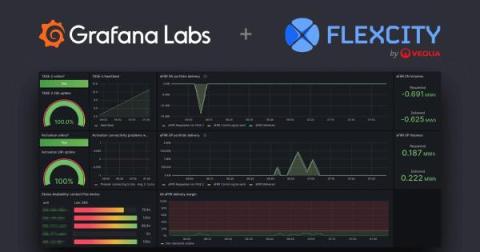
Last winter, Flexcity — a market leader in electric flexibility — faced an unprecedented challenge: Help stabilize the French national power grid, in the midst of a widespread energy crisis that loomed over Europe. As a byproduct of the Russian invasion of Ukraine, energy prices in the EU soared in 2022. And France, meanwhile, faced a nuclear power outage that winter that threatened to significantly disrupt its energy supply and increase the risk of electricity shortages.