Operations | Monitoring | ITSM | DevOps | Cloud

Zebra DevTalk | Introduction to Zebra Basic Interpreter (ZBI) | March 2025 | Zebra

In this Zebra DEV { TALK } we provide an overview of Zebra Basic Interpreter (ZBI) which allows you to run applications, prompt users through control-panel commands, and take input from scales, scanners, and other peripherals - all without a PC or network connection.

Keeping Compliance Headache-Free: Automating Network Audits for Security and Efficiency

Regulatory compliance is a moving target, and keeping up with evolving security policies and industry regulations can feel like a never-ending battle. Manual network audits? They’re slow, error-prone, and a major time sink. But skipping them isn’t an option—compliance failures can lead to security breaches, hefty fines, and reputational damage. So, how can IT teams ensure they stay ahead without burning out? The answer: automation and real-time observability.

How to Revolutionize Your NOC with the Resolve Capabilities Model

Network operations centers (NOCs) are under increasing pressure to improve efficiency, reduce downtime, and accelerate incident resolution. Yet many struggle to define a clear NOC automation strategy. When your team is deep in the trenches, it’s easy to lose sight of the long term: The answers lie within our framework: the Resolve Capabilities Model. This model was developed in tandem with customer conversations about NOC automation, aspirations, broader tech challenges, and more.

Why Edge AI Is a No-Brainer for IoT Devices

Need to stop a saw before it hits a finger? Edge AI delivers where the cloud can't with ultra-low latency, better privacy, and smarter bandwidth usage. For devices on cellular or satellite networks, pushing data to the cloud just doesn’t cut it. Here's why AI at the edge is the right move for real-time IoT applications.

The state of observability in 2025: a deep dive on our third annual Observability Survey

Across companies of all shapes and sizes, observability practices are maturing and getting attention at the highest levels. At the same time, cost and complexity continue to hinder efforts as teams look to emerging tools to help simplify their processes in hopes of better outcomes. With so much in flux, we went into our third annual Observability Survey hoping to get a window into the ways the community is approaching observability and where it wants it to go next.

Zero Code Instrumentation: The Missing Link in Observability

Have you ever struggled with systems that fail to tell you what went wrong? The kind where you’re digging through logs at 2 AM while alerts keep piling up. In DevOps, clear visibility into your applications isn’t a luxury—it’s essential. This is where instrumentation without code changes can help. It simplifies observability, reducing the manual effort needed to track down issues. If you haven’t explored it yet, you might be making troubleshooting harder than it needs to be.

Observability Pipeline: An Easy-to-Follow Guide for Engineers

You've got systems spitting out more logs, metrics, and traces than you can handle. Your monitoring costs are through the roof. And somehow, when something breaks at 3 AM, you still can't find the exact data you need. Sound familiar? Welcome to the observability pipeline conversation—no jargon, no fluff.

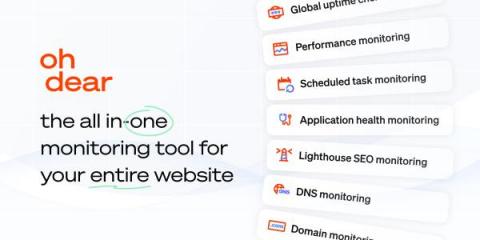
Why your business can't afford to skip website monitoring

Your website is your business’ storefront, sales team, customer service department, and potentially even your primary revenue channel. Just like you’d protect the physical presence of these aspects of your business with a security system, you also need to protect the online aspects too. That means keeping an eye on your website with monitoring.