Operations | Monitoring | ITSM | DevOps | Cloud

Defining SLA/SLO-Driven Monitoring Requirements in 2025

SLA/SLO-driven monitoring aligns your observability strategy with business objectives by defining measurable service targets and implementing monitoring systems that track progress toward those goals. Service Level Agreements (SLAs) represent commitments to users, while Service Level Objectives (SLOs) are internal targets that ensure you meet those commitments with a safety buffer. In 2025, organizations running distributed systems need monitoring that goes beyond basic uptime checks.

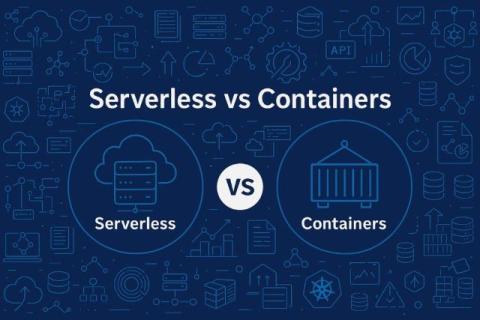
Serverless vs. Containers: A Comprehensive Guide to Choosing the Right Solution

In the rapidly evolving world of cloud computing, network engineers often need to decide between serverless computing and containerization. Both technologies offer unique advantages and are suited to different types of applications. This article aims to provide a comprehensive comparison of serverless computing and containers, helping network engineers make an informed decision based on their specific needs.

How To Reduce Manufacturing Downtime Through ERP-Driven Alerts

One of the most expensive and disruptive problems to the operations might be manufacturing downtimes. Besides causing a stop in production, it also causes deadline slippage, brings about high operational cost, and decreases customer satisfaction. With manufacturers doing everything to stay competitive, one of their greatest priorities was to discover how to reduce unexpected stoppages. The ability to manufacture ERP systems and, in particular, the use of alerts and notifications as the means of obtaining real-time insights into the operations is one of the most effective solutions.

Why the Right Financial Services Are Critical for Your Business Success

Having the right financial services is vital. Whether you're running a startup or managing a well-established company, sound financial management plays a key role in every stage of growth. From accurate bookkeeping to strategic planning and risk management, financial services provide the tools and expertise needed to make informed decisions and remain compliant. Businesses that invest in professional financial support are better positioned to thrive, adapt to change, and achieve long-term goals. This article explores why selecting the right financial services is critical for your business's continued success and stability.

Cloud Cost Optimization Best Practices, Strategies, and Tools to Reduce Bills

As network engineers, you play a crucial role in managing cloud infrastructure that supports your organization’s applications and services. Cloud platforms offer immense flexibility and scalability, but without careful cost management, expenses can quickly spiral out of control.

Build an AI-powered Golang code review agent with CircleCI and GitHub webhooks

Code reviews are a crucial step in maintaining code quality, but many developers find them tedious and inconsistent. What if you could get helpful feedback automatically, as soon as a pull request is opened? In this tutorial, you’ll learn how to set up and integrate an AI-powered code review agent into your Go project. The agent uses the OpenAI API to post contextual suggestions and praise directly on pull requests.

Automating machine learning security checks using CI/CD

Machine learning (ML) pipelines are increasingly being treated like software; built, tested, deployed, and monitored using automated tooling. But while infrastructure as code and microservices have matured with security best practices, ML systems often lag behind. The truth is, your ML pipeline is part of your software supply chain and it is vulnerable.

What is Physical Asset Management Software?

Physical asset management software is a critical tool for modern businesses, designed to track, manage, and optimize their physical resources efficiently. From office equipment to industrial machinery, this software provides visibility into the location, condition, and usage of assets, helping organizations make informed decisions to enhance operational performance, reduce costs, and ensure compliance with regulations.