Operations | Monitoring | ITSM | DevOps | Cloud

Best Practices for a Smooth ERP System Implementation Experience

ERP system implementation requires precise coordination between planning, data handling, and system configuration. Each stage must follow a defined structure to prevent delays and maintain operational accuracy. Clear timelines, assigned responsibilities, and validated processes help ensure that deployment progresses without disruption.

10 Best Business Process Automation & ERP Companies to Streamline and Scale Your Operations

Most companies are not struggling because they lack good people. They struggle because systems do not talk to each other, processes were built for an earlier version of the company, and teams spend hours on tasks a computer should handle. ERP projects fail not because of bad software but because of poor process clarity, scattered data, and no executive alignment. The firms in this list map your operations, find the friction, and build systems that let your business run the way it should. Here are the 10 firms worth your attention.
Sponsored Post

RISE with SAP Monitoring: Overcoming the 'Black Box' Challenge of monitoring Cloud ERP

Organizations transitioning from traditional on-premises SAP systems to Cloud ERP (formerly known as "RISE" and "GROW") have a new set of monitoring challenges. Unlike the familiar on-prem landscape, where IT teams enjoyed full visibility and control, cloud environments can feel like a "black box," with limited direct access to the underlying infrastructure and reliance on service tickets to understand system status.

From Mining to Manufacturing - Why MRO Data Discipline Transfers Everywhere

MRO parts lists frequently include duplicate descriptions, incomplete attributes, and inconsistent naming. These problems appear in mining, manufacturing, energy, and utilities due to weak data controls rather than industry-specific factors. Structured MRO data allows maintenance and procurement teams to reference the same records, locate correct parts faster, and reduce time spent validating details across systems.
Sponsored Post

Avantra 25.2: Enhancing Security and Reducing Complexity in Hybrid SAP Landscapes

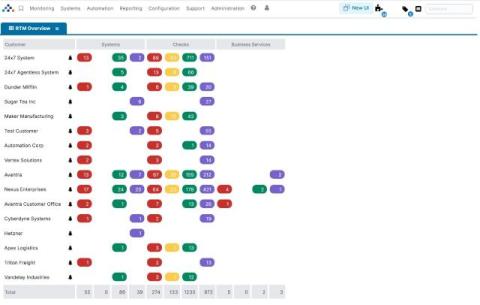
I am pleased to announce the release of Avantra 25.2! While 25.2 is a service release focused on software stability, it introduces several powerful new features designed to streamline SAP automation and improve operational resilience. Let's break down the key deliverables and benefits for Avantra users in this release.

A Guide to the Best ERP Systems That Keep Defense Contractors Audit-Ready

In A&D, precision, security and accountability are national imperatives. For defense contractors, this translates into an environment of intense scrutiny. Enterprise resource planning (ERP) solutions help defense contractors address industry challenges and confidently pass audits. Discover what ERP features to look for and the top providers of ERP solutions for the defense industry to keep operations secure, efficient and audit-ready.

The Heart of Modern Manufacturing: How an ERP System Integrates All Processes

Modern manufacturing is a complex mechanism consisting of many components. It is extremely difficult to synchronize the work of dozens, and sometimes hundreds, of departments. Not so long ago, the only tool available was endless paperwork, stacks of reports, and a huge number of employees ready to perform manual labor.

Scaling with Confidence: How a Business Central Partner Future-Proofs Your ERP

Scaling your business is a significant milestone for you as you grow. But it may become overwhelming when you actually need to do it, as growth comes with both opportunities and challenges. Small and mid-sized businesses (SMBs) frequently encounter challenges when scaling their operations. These arise due to fragmented systems, manual processes, and technology limitations. Microsoft Dynamics 365 Business Central comes to the rescue by unifying operations, streamlining workflows, and supporting long-term growth.

Why ERP Implementation projects fail and how to avoid failures

ERP implementation is a strategic decision for any business. Organizations adopt ERP solutions to eliminate inefficiencies caused by disconnected systems, data silos, and a lack of actionable insights. When implemented effectively, ERP systems can significantly boost productivity. However, research from leading analysts indicates that over 70% of ERP implementation projects fail to meet timelines and budgets, while only 30% of digital transformation initiatives achieve their intended outcomes. In this blog, we'll explore the key reasons behind ERP implementation failures and how to avoid them.

Odoo Implementation: A Step-by-Step Guide for Businesses

Are you trying to find a way to make your company better and help your team get more done? An Enterprise Resource Planning (ERP) system can help with that, and Odoo is a top option for businesses big and small. A good Odoo setup can change the way your team works. It does this by putting all your information in one place and handling jobs for you. This guide will show you the main steps for erp implementation. You will learn how to bring this powerful tool into your business, so your business processes run smoother right from the start.