Operations | Monitoring | ITSM | DevOps | Cloud

AppSignal Now Supports Node.js: Roadmap for the Coming Weeks

Many of us are impacted in one way or another by the Covid-19 virus. At AppSignal, we asked our team to prioritize their families and (mental) health first. We hope you were able to do the same. We are starting to find a new rhythm in these uncertain times, and are continuing on our mission to bring developers amazing monitoring. In that light, we are happy to ship the first version of AppSignal for Node.js.


Go Fast: Getting Started with Sanic for Python

Tired of waiting for sluggish HTTP requests to complete before your backend code can proceed with other things? Sanic is an asynchronous web framework in Python, that is built to be fast. In a world where Flask and Django are the most preferred web development options in Python, Sanic is the new kid on the block. It’s a promising alternative that is not only faster but also delivers efficiency, simplicity, and scalability.

Changing the Approach to Debugging in Ruby with TracePoint

Ruby has always been known for the productivity it brings to its developers. Alongside features such as elegant syntax, rich meta-programming support, etc. that make you productive when writing code, it also has another secret weapon called TracePoint that can help you “debug” faster. In this post, I’ll use a simple example to show you 2 interesting facts I found out about debugging.

Cookdown Alert Sync Wait Rules Explained

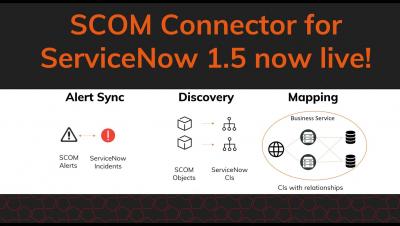
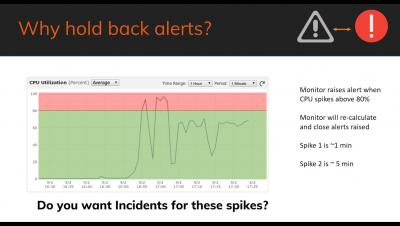
From Cookdown Alert Sync 1.5 onwards, the SCOM connector for ServiceNow allows you to hold alerts for a period of time before deciding whether to create an Incident in ServiceNow for them or not. This is great for preventing alerts from port flaps or CPU utilization spikes from being raised as Incidents. We call this functionality "Wait Rules" and this video explains how they work

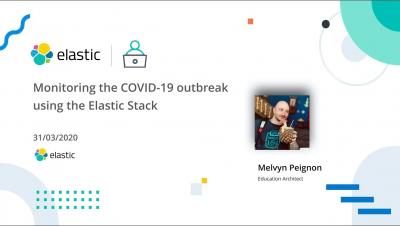
Meetup ElasticFR Paris #44 : Monitoring the COVID-19 outbreak using the Elastic Stack

The outbreak of the COVID-19 has surprised a lot of different countries all over the world. In this virtual meetup we are going to see how easy it is to put data from the World Health Organization regarding COVID-19 in Elasticsearch and visualize them in Kibana.

DevOps Patterns and Antipatterns for Continuous Software Updates at Cloud Native Virtual Summit

So, you want to update the software for your user, be it the nodes in your K8s cluster, a browser on user’s desktop, an app in user’s smartphone or even a user’s car. What can possibly go wrong? In this talk, we’ll analyze real-world software update fails and how multiple DevOps patterns, that fit a variety of scenarios, could have saved the developers. Manually making sure that everything works before sending an update and expecting the user to do acceptance tests before they update is most definitely not on the list of such patterns.

The 5 Best Open Source Load Balancers

Consider for a moment which fundamental pieces of technology enable the modern web. Odds are, you’re thinking about things like Javascript and HTTP—and yes, they are fundamental parts of the modern web. But, the often-overlooked component of this ecosystem that has truly enabled the web to scale to billions of users and transactions is load balancers.

Beyond Monitoring: From Bits and Bytes to Business-Level KPIs

When discussing monitoring with IT and technical operations teams, it comes as no surprise that every team has its own parameters and requirements for their particular environment. Some teams just need an up-down of specific devices or interfaces, and others need more granular metrics like JVM or database performance. At the end of the day though, everyone is responsible for a service.