Operations | Monitoring | ITSM | DevOps | Cloud

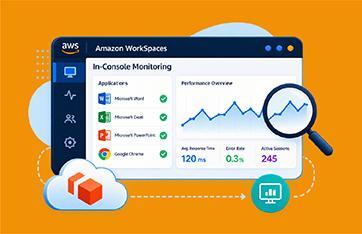
Amazon WorkSpaces Applications In-Console Monitoring

Recently, Amazon announced WorkSpaces Applications in-console monitoring. This is a big shift forward for AWS, who is quietly building market share with their Amazon WorkSpaces Applications (previously called Amazon AppStream 2.0) virtual applications offering. This announcement validates that observability matters for Amazon WorkSpaces Applications customers – they need to see what’s going on in their virtual application and desktop fleets, hosts and sessions.
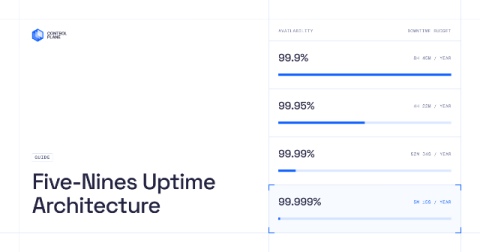
Five-Nines Uptime Architecture: What Single-Region, Multi-Region, and Multi-Cloud Designs Can Deliver

99.999% availability allows about 5 minutes 15 seconds of downtime per year, or about 26 seconds per month. That budget includes every failed deploy, certificate expiry, DNS misconfiguration, and provider incident in the request path. One regional outage lasting an hour consumes more than 11 years of five-nines budget. This guide explains which architecture tiers can reach that number, which cannot, and why.

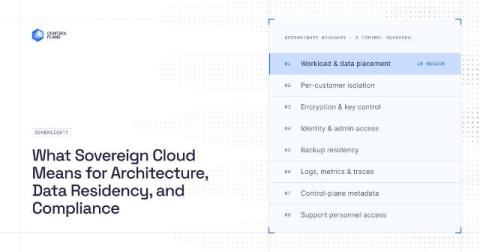
What Sovereign Cloud Means for Architecture, Data Residency, and Compliance

Sovereign cloud is a system design problem. It asks where workloads run, where data lives, who can administer the system, which legal authorities can compel access, who controls encryption keys, and where backups, telemetry, and control-plane metadata land. Selecting a region answers only part of that problem.

New Digital Asset Inventory Capabilities in InvGate Asset Management

InvGate Asset Management now tracks certificates, AI agents, automation workflows, and scripts as native Configuration Items (CIs). Each one carries the ownership, lifecycle fields, alerts, and change history already applied to hardware and software records. The components that run daily operations without appearing in any inventory now have a place in one. These four CIs are a starting point rather than the full definition of a digital asset.

Introducing Agent Studio and Autonomous Agents in InvGate Service Management

When AI knows how to resolve a ticket, teams still need a way to decide how much it can do on its own. Today, that often means choosing between keeping a human in charge of every action or giving the AI broad autonomy. There’s no practical middle ground, so teams get stuck wherever they started, usually the most conservative setting. Even when AI already knows the right answer, the ticket still ends up in a human’s queue.

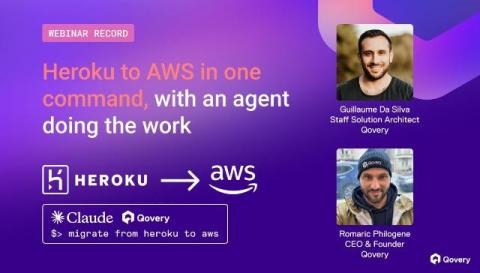
Heroku to AWS in One Command, With an Agent Doing the Work (Webinar Replay)

Replay and recap of our live session: an AI agent reads a Heroku Rails app and deploys the full stack to AWS through Qovery from one prompt. Chapters, timestamps, the four ways teams leave Heroku, and the steps a human should still own. Romaric founded Qovery to make Kubernetes accessible to every engineering team. He writes about platform strategy, developer experience, and the future of cloud infrastructure.

How Implementing Produce ERP Software Transforms Inventory Management

Agencies operating within the Technology, Business, and Economy sectors face a myriad of challenges when it comes to managing inventory effectively. The complex nature of inventory management requires precision, timeliness, and the ability to adapt quickly to changing demands. Implementing Produce Erp Software offers a pivotal solution, transforming how agencies approach inventory management by providing real-time tracking, streamlining supply chains, optimizing demand forecasts, and boosting operational efficiency.

Connecting Reservations and Guest Communication: Why System Integration Matters

Restaurants lose valuable service time when reservation records and guest conversations sit in separate systems. Staff members repeat questions, miss updates, and spend busy periods checking availability instead of serving arriving guests. Integration connects these tasks, giving each interaction a current booking record and a clear follow-up path. The result is faster communication, fewer avoidable errors, and better visibility for managers. The operational difference becomes clearest during booking, changes, and high-volume service.

$4.48 a Gallon: Your Holiday Checkout Is the New Mall

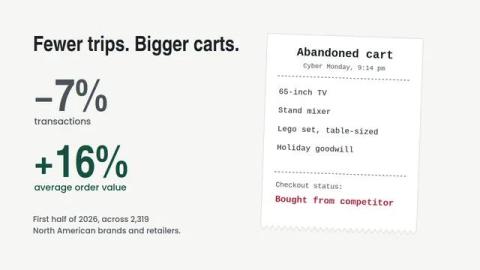
Remember when “going shopping” meant getting in the car? This fall, filling the tank feels like applying for a small loan. U.S. regular gasoline averaged about $4.48 a gallon for the week of September 21, 2026. A round trip to the store starts competing with free shipping. And free shipping never needs a parking spot. That doesn’t tell us how many shoppers will move online this holiday season.