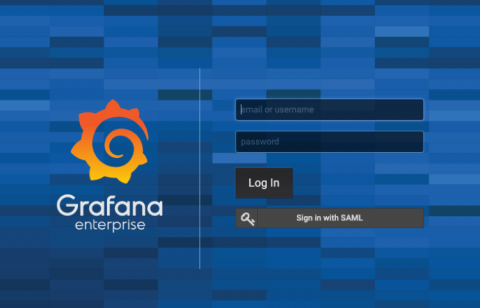
With the recent release of Grafana 6.3 substantial refactoring and improvements to plugins, external auth systems, and permissions have been introduced in Grafana Enterprise. Let’s take a look at some of the latest Enterprise features here.
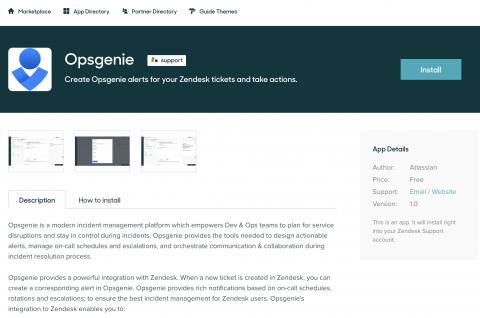
Our new app makes it incredibly easy for Zendesk users to escalate customer-reported issues to the proper team, right from the Zendesk UI. Customer service agents can also check on the status of existing alerts without leaving their dashboard. The launch of this app is more critical than ever, as constantly changing customer expectations demand that IT and service companies are high performing and always on.
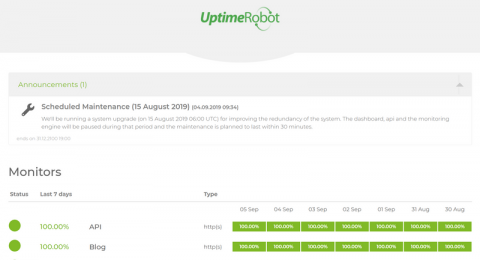
A status page is a very easy-to-setup, nice and automated way to share the status of the websites/servers with visitors, users and teammates. And, the ability to share additional info with users like current issues or an upcoming maintenance can only make it better.
AquaSec’s Daniel Sagi recently authored a blog post about DNS spoofing in Kubernetes. TLDR is that if you use default networking in Kubernetes you might be vulnerable to ARP spoofing which can allow pods to spoof (impersonate) the IP addresses of other pods. Since so much traffic is dialed via domain names rather than IPs, spoofing DNS can allow you to redirect lots of traffic inside the cluster for nefarious purposes.
Cloud costs can come with significant sticker shock, especially since many businesses do not have an easy way to track or predict actual cost before the bill arrives. However, there are several architectural changes that businesses can make that will help rein in cloud spend. In some cases, optimal engineering decisions should be made up-front, while in other cases certain areas should be monitored over time to identify opportunities to retool architecture and optimize cloud costs.