Operations | Monitoring | ITSM | DevOps | Cloud

How to Troubleshoot Microservice Connectivity in Kubernetes

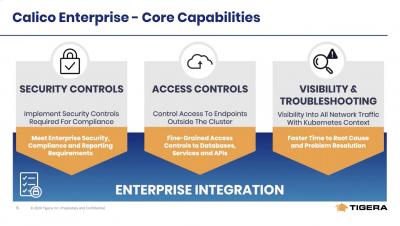
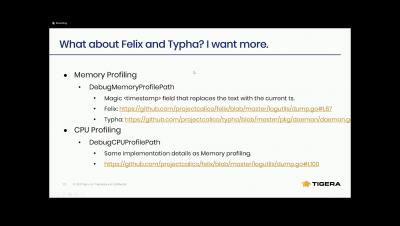
In this online training we will demonstrate how to troubleshoot and resolve service-to-service connectivity issues for microservices running on Kubernetes. We will show how to do this manually using system logs as well as features in Calico Enterprise that simplify troubleshooting.
Sharing and Reusing Infrastructure with Pulumi and Artifactory

Dan Hernandez (Pulumi) and Melissa McKay (JFrog) will show you how to define key resources such as VPCs, storage, Kubernetes clusters, Docker images, serverless functions, and policies using multiple languages. Then, see how easy it is to share these modules across your organization with Artifactory.

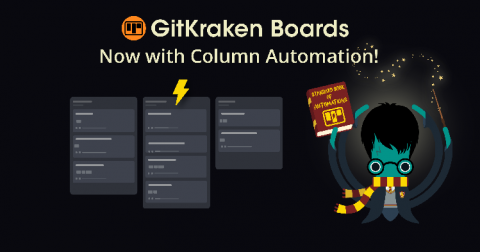
GitKraken Boards: New Column Automation

Project management and issue tracking are foundational to a successful development team. Furthermore, task tracking tools that enable automation help maximize productivity, organization, and collaboration. We called in some help from Hogwarts on this release to introduce some truly magical features to GitKraken Boards. We bring you: Column Automation.

How to pronounce Kubernetes so you don't get laughed at

We’ve all been there. A new tool is trending, it is getting mentioned all over the place, and you get dropped into a conversation about it. The last thing you want to do is embarrass yourself by pronouncing something wrong and revealing you don’t know anything about the latest thing. We want to make sure you avoid that happening. When it comes to Kubernetes, there are really only four terms that you might need some help with pronouncing.

T-Mobile - Building the data centre: Implementing self-service for large scale operations

Joshua talks about design considerations when implementing MAAS as the foundation of a bare metal self - service offering in a large enterprise. Examples he discusses include translating tickets to APIs, humans to computers and doing more with less.

Advanced Packaging Options with JFrog CLI

In some cases, our application requires a unique layout when it is packaged. The package should include various binaries, and test files with metadata, arranged in specific directories. The various components of the package sometimes have their own versions and they can be created by different process. If all of those components are managed in Artifactory, JFrog CLI can be configured to pick the right components, and package them together, according to a defined layout. In this webinar we'll see how you can use JFrog CLI as a packaging tool for your binaries.