Operations | Monitoring | ITSM | DevOps | Cloud

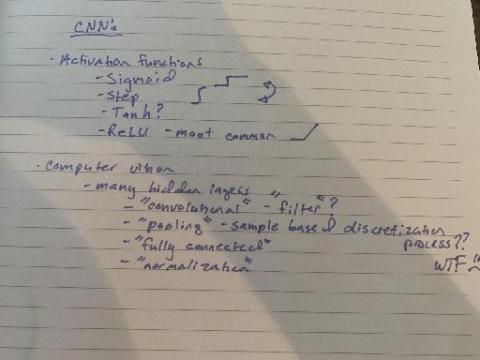
WTF is a Convolutional Neural Network?

If you are a software engineer, there's a good chance that deep learning will inevitably become part of your job in the future. Even if you're not building the models that directly use CNNs, you might have to collaborate with data scientists or help business partners better understand what is going on under the hood. In this article, Julie Kent dives into the world of convolutional neural networks and explains it all in a not-so-scary way.
Web Monitoring Dashboards | The SRE's Ultimate Multi-Tool

It’s 3 AM and you are roused out of sleep by the dull buzzing of your phone in the other room. Some sort of emergency, you conclude as you fumble with the lockscreen. There it is: an alert that the API governing user registration is acting up. When we think about the lag between time of incident and time to respond, it’s not just about how long the system went down. How long it physically takes us to respond to the problem also contributes to lost downtime.

Integrate 2020 Remote - Day 3

After an exciting Day 1 and Day 2 from Integrate Remote, the floor was all set for the final day of the virtual event. To know the session highlights, key announcements, and other spotlights from day 3, check out the below blogs. Also, we would highly recommend you to take a look at Day 1 and Day 2 blog coverage of the event.

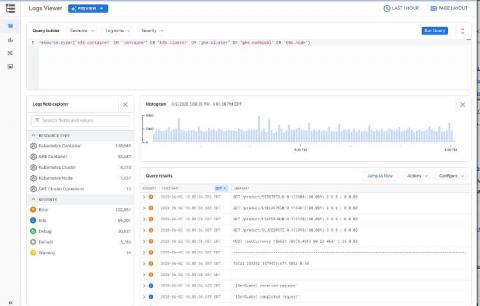
How to find-and use-your GKE logs with Cloud Logging

Logs are an important part of troubleshooting and it’s critical to have them when you need them. When it comes to logging, Google Kubernetes Engine (GKE) is integrated with Google Cloud’s Logging service. But perhaps you’ve never investigated your GKE logs, or Cloud Logging? Here’s an overview of how logging works in GKE, and how to configure, find, and interact effectively with the GKE logs stored in Cloud Logging.

Tip of the Day - Monitoring API's

Today’s Digital world, is an API-Centric world, we just don’t realize how pervasive these little helpers are !!!! API’s are part of every eCommerce transaction, Social media interaction, and provide integrations across the applications we use, for both work and play, so when they’re not working properly, our lives are impacted greatly. See how Catchpoint provides complete visibility into all your API interactions to make sure you stay in front of any performance issues.

Tip of the Day - Beyond Alerts

Alerts are one of the main reasons why we monitor. Having a robust Alerting Tool can ensure proactive notification of issues and allows for quick access to the data required to troubleshoot the issue(s). This video provides insight into the Catchpoint Alert Monitoring solution, showing you what to do after the Alert along with some very helpful links to make sure you've configured your Alerts so they provide the information you need.

Tip of the Day - Synthetic Monitoring the Catchpoint way

Not all synthetic monitoring solutions are created equal. A truly proactive synthetic monitoring platform runs tests from the networks and locations where end users are located, and emulates the same path that the end users take to access websites and applications. Synthetic tests that are run from cloud providers miss many critical issues that affect the customer experience, and often lead to a painfully slow troubleshooting process because they don't capture all the components in the application delivery chain. Learn how Catchpoint's industry-leading synthetic monitoring infrastructure provides easy and effective monitoring from the outside-in for a truly comprehensive Digital Experience Monitoring (DEM) solution.

Tip of the Day - SSL Certificates

Expired SSL certificates are one of the most overlooked causes of performance and reachability problems, as keeping track of all of them and their expiration dates is a long and challenging task. See how Catchpoint's Digitial Experience Montoring (DEM) platform can help you esnure that your SSL certificates remain valid by alerting you whenever their expiration date is approaching.

Tip of the Day - SLA Monitoring

SLAs are all about tracking accountability, and monitoring for those agreements must be done from a reliable third-party source. Trusting your vendors to report on their own SLAs is like asking a fox to guard the henhouse. Learn how Catchpoint enables you to track and alert on specific SLA metrics by measuring from the end user's perspective, allowing you to hold your vendors accountable no matter where your end users are located.