During the next eight weeks, our team will work to improve the overall experience of Qovery. We gathered all your feedback (thank you to our wonderful community 🙏), and we decided to make significant changes to make Qovery a better place to deploy and manage your apps. This series will reveal all the changes and features you will get in the next major release of Qovery. Let's go! Read the previous article: The Future of Qovery - Week #2.
When you're a single person running a system with thousands of users or more, it can be pretty daunting to think about going on holiday, or even relaxing for a weekend. "What if it goes down, and I'm not there to fix it?!" you ask yourself. While you can never really guarantee that nothing will go wrong, you can take some steps to minimise your risk of things going wrong.
Finding relationships between disparate events and patterns can reveal a common thread, an underlying cause of occurrences that, on a surface level, may appear unrelated and unexplainable. The process of discovering the relationships among data metrics is known as correlation analysis. For data scientists and those tasked with monitoring data, correlation analysis is incredibly valuable when used for root cause analysis and reducing time to remediation.
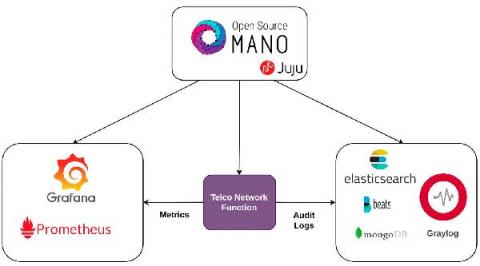
The transition to virtualized infrastructure and software network functions requires a re-evaluation in the telecom production environments. Network function is not alone. It has always been an important piece in the puzzle but requires a set of non-functional bits to complete the big picture and which brings the lifecycle management of network functions to the discussion.
In almost every case, APIs have changed how modern applications connect to their data. Mobile apps, single-page web apps, IoT devices, integration hooks between software—all of these things rely on APIs to fetch, update, delete, and create data. In fact, one set of APIs might serve as the backbone of a website, mobile app, voice assistant device, and more, meaning one data store owns a treasure trove of information about us, the human users.