Operations | Monitoring | ITSM | DevOps | Cloud

Up and Running: Windows Containers With Rancher 2.3 and Terraform

Windows Support went GA for Kubernetes in version 1.14 and represented years of work. This has been the effort of excellent engineers from companies including Microsoft, Pivotal, VMWare, RedHat, and the now-defunct Apprenda, among others. I’ve been a lurker and occasional contributor to the sig-windows community going back to my days with Apprenda, and I’ve continued to follow it in my current role with Rancher Labs.

The Top 10 DevOps Trends of 2019

At Logz.io we’re always keeping tabs on the latest and greatest in the DevOps world, for the benefit of both our own engineering team and for the teams that use our products. As the days get shorter and colder, we decided to look back on 2019 and share the top trends we’ve seen in 2019 so far. The acronym “CALMS” (Culture, Automation, Lean, Measurement, Sharing) is a helpful way to structure thinking about DevOps tools and techniques.

Enterprise-Grade DevOps Solutions for a Start Up Budget

Even though you’re a small startup or medium-sized business and just beginning your product journey, it doesn’t mean you can’t have a robust and scalable DevOps environment like the Enterprise experts. It is always a good practice when building a startup or a new company to have a solid foundation and start implementing efficient and scalable solutions early. Join and learn how having a limited budget doesn’t mean you can’t have Enterprise quality tools. Hosted by DevOps.com

JavaScript Errors: An Exceptional History

Hello again! It’s a historic week here at AppSignal! This week we released the first version of our new and improved JavaScript error monitoring. Now you can have your front end code, Ruby or Elixir back end code, your hosts, performance, everything monitored in one interface. To celebrate the launch, in a two-part series of posts, we’ll be taking a look at the history of Errors in JavaScript, including how to handle them in your code today.

Helm 3: Navigating to Distant Shores

Since its initial debut 5 years ago Kubernetes has grown up quite a bit, but one thing hasn’t changed: writing Kubernetes manifest files from scratch is hard. In fact, it’s borderline discouraging for new users looking to use the defacto container orchestrator. Thus, the need for a package manager was born: Helm. Helm is almost as old as Kubernetes (it’s about 4 years) old and Helm 2 is a merger of two code bases, which made for some interesting ways of approaching even the most basic of security concerns (say, RBAC for instance). If you’re familiar with Helm you already know how useful it is, but there are features you’d like added, some updates you’ve wished for, and a major component you’d like removed: Tiller.


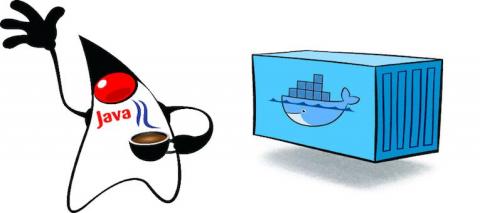
Crafting the perfect Java Docker build flow

What is the bare minimum you need to build, test and run your Java application in Docker container? The recipe: Create a separate Docker image for each step and optimize the way you are running it. I started working with Java in 1998, and for a long time, it was my main programming language. It was a long love–hate relationship. During my work career, I wrote a lot of code in Java. Despite that fact, I don’t think Java is usually the right choice for microservices.