Operations | Monitoring | ITSM | DevOps | Cloud

SIGNL4

SIGNL4 is an out-of-the-box cloud solution that enables operations and business teams to respond faster and more effectively to critical alerts, major incidents and urgent service requests.

Migrating to Azure: made easy with 3 handy tools

We’re delighted to introduce you to guest blogger Gabriel Mora, a Microsoft Certified Azure Administrator who has worked on multiple migration projects using Azure Site Recovery and other third-party tools like Zerto and Movere. By Gabriel Mora Hi everyone, my name is Gabriel Mora and today I will be giving you some tips on migrating to Azure using a few helpful tools.

Introducing Notifications API to Automate Notification Settings Across Projects

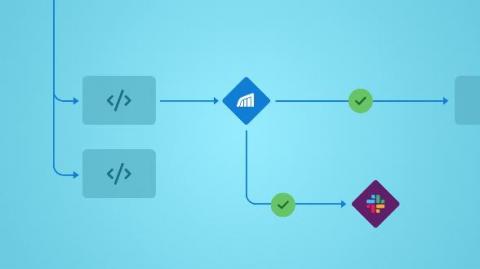
At Rollbar we love workflow automation. With our new Notifications API, you can automate setting up of custom notification rules for all your Rollbar projects. As more of our customers switch to microservices, we wanted to build a programmatic way to set up these rules for multiple projects or services in just a few seconds, without having to go to the UI.

Building a flexible, realtime data warehouse at Sentry with Beam + Dataflow (Syd Ryan)

Syd Ryan describes two hard problems they've solved at Sentry with streaming Beam pipelines. The first solution combines Postgres change data capture and SQL views to produce a table that appears to be updating in real time within BigQuery. The second solution is aggregating 1000s of events per second and backfilling historical data effectively with Beam's unified batch/streaming interfaces.

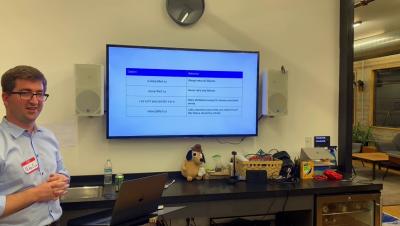
Beam in Production: Lessons learned and best practices (Mike Clarke)

Mike describes gotchas and early struggles Sentry hit moving streaming data pipelines off our laptops and into production. He covers some unexpected Beam defaults, detecting schema errors, compare performance between the python & java SDK, and proactively identifying when production pipelines break due to unexpected data.

Performance Tuning a Rails App With AppOptics Dev Edition

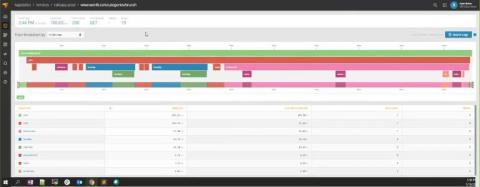
The other day I found myself trying to tune a Ruby on Rails app I had written as a side project. (The app lets me keep track of my favorite eateries and pubs. It’s searchable, includes multiple images, and has stored locations.) On past projects, I relied on SolarWinds® Papertrail™, path testing, a lot of trial and error, and a general feel to try to improve performance. This time I thought I would give SolarWinds AppOptics™ Dev Edition a try.

Self-Driving Anomaly Detection

Imagine driving on the freeway in a (partially) self-driving car like a Tesla. While you drive the car, you come across things you would expect like trees, lampposts and other cars but also things that don't belong there like trash floating around. Meanwhile, radars and sensors in the car are working hard to make sure you don't crash because of these things. If you see the freeway as your fast-changing IT environment, then all the things that don't belong there are anomalies.