Operations | Monitoring | ITSM | DevOps | Cloud

LM Logs Tips: Alert-to-Logs Workflow for Ops Team | Logs for Lunch

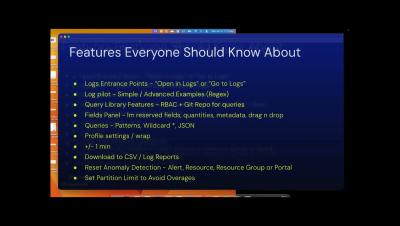
LM Logs troubleshooting starts at the alert. This Logs for Lunch session shows ITOps teams an alert-to-logs workflow and lesser-known LM Logs tips. Ryan Matuszewski demos a Tomcat application error. From the alert's Logs tab, he moves through log anomaly detection, All Logs, Log Patterns, and Log Analysis sorted by sentiment. He then opens the Logs page with the alert time range, and the same steps work for any alert type.
Cloud Log Monitoring & Root Cause Analysis | Logs for Lunch

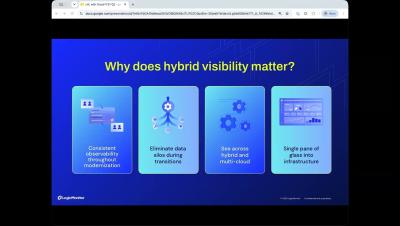
Cloud log monitoring in LogicMonitor connects a service alert to the log event behind it. This Logs for Lunch July demo is for ITOps, CloudOps, and SRE teams. Tom Chavez hosts Ismath Mohideen (Product Marketing) and Nick Doane (Senior Sales Engineer). They cover cloud observability and multi-cloud monitoring across AWS, Azure, GCP, and OCI in LM Envision, using cloud provider APIs with no extra collectors.

SNMP Traps as Logs and Network Troubleshooting | Logs for Lunch

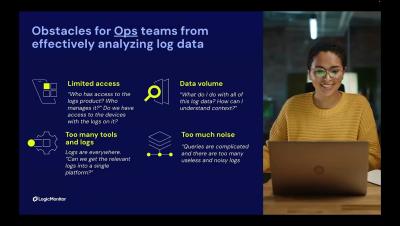
SNMP traps as logs, AI log anomaly detection, and network troubleshooting are the focus of Logs for Lunch: August 2026, for network and IT ops teams and LogicMonitor users. Tom Chavez introduces LM Logs, which keeps logs and metrics together. Cameron Compton troubleshoots dropped tunnel packets from a network operations dashboard, and Ron Scinta ingests SNMP traps through the Collector. Patrick Sites and Kerry DeVilbiss answer questions on load balancing, OTel and Cribl forwarding, MSP log sources, and search performance.

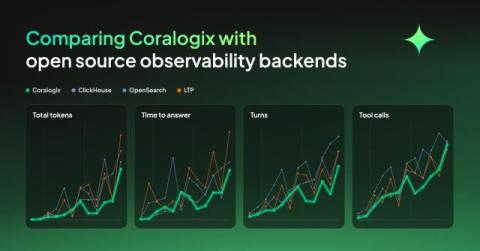
Comparing Coralogix with open source observability backends

We put the same OpenTelemetry data into four backends, Coralogix, ClickHouse, OpenSearch and a Loki, Tempo and Prometheus stack, then set an agent twelve questions against each one, from counting spans to working out what is wrong in a system it has never seen. Then we forced the agents to continue investigating until they got to the right answer. In this experiment, what separated them was the time, tokens, tool calls and turns it took to get there.
Featured Post

AI Is Making Infrastructure Easier to Create and Harder to Operate

AI is rapidly changing the economics of software engineering. Tasks that once required hours of engineering effort can increasingly be completed in minutes. An AI agent can write an application, generate Terraform, produce Kubernetes manifests, configure a CI/CD pipeline, and interact directly with cloud APIs. For infrastructure teams, this sounds like an enormous productivity win. And on Day 1, it is. But generating infrastructure has never been the hardest part of running it.

How to Find and Recover Missed Backlink Opportunities

Building a strong online presence requires more than publishing quality content and hoping other websites will link to it. Backlinks play an important role in search engine optimization (SEO), helping search engines understand a website's credibility and relevance. However, businesses often overlook valuable opportunities to earn links from websites already discussing their brand, products, or expertise. Identifying and recovering these missed opportunities can strengthen SEO performance without requiring an entirely new content strategy.

6 Best Jibble Alternatives for Contract and Blue-Collar Workforce Attendance (2026)

Most "best Jibble alternatives" roundups rank tools by G2 review count and feature checkboxes, which works fine for a remote consulting team deciding between Clockify and Toggl Track. It breaks down fast for a UAE facility management company running cleaning crews across a dozen client sites through two different manpower agencies, where the actual question is who gets verified at the punch, what happens when a site loses signal, and whether one platform can keep both agencies' workers straight without a supervisor cross-checking a spreadsheet by hand.

What Is a White Label SSP and Who Should Use One?

A white label SSP platform lets publishers, ad networks, and programmatic businesses run sell-side advertising infrastructure under their brand. Rather than build an entire supply-side platform from scratch, they can use existing technology to manage inventory, connect demand, run auctions, and track revenue. This model suits companies that need more control than a standard hosted platform can provide. It works particularly well for ad networks creating branded monetization products, publishers managing complex supply, and AdTech teams looking to expand their technology stack.
Featured Post

The hidden cost of IT sprawl: how fragmented infrastructure drains business performance

Most IT estates grow through years of individual decisions instead of a single plan. A cloud account gets opened for one project. A data centre contract stays in place because switching is a migration project the business keeps deferring. Those choices get made workload by workload, and the estate that results rarely holds together as one plan.