Operations | Monitoring | ITSM | DevOps | Cloud

Enterprise Vibe Mode: Deploy AI-Built Apps to Production | Harness Demo

Vibe coding makes building applications easier than ever. But how do you take an AI-generated app and safely deploy it to production? In this demo, see how Harness brings Vibe Mode to the enterprise, allowing anyone to deploy applications while automatically applying your organization's security policies, governance, compliance requirements, and deployment configurations. See how Harness enables teams to.
The Auvik Spring 2026 roadmap

Our Spring 2026 product roadmap is built around the idea that AI network management should start with what’s actually happening on your network, not a blank prompt. Over the past six months we’ve built Auvik AI into alerting, troubleshooting, the remote terminal, and Command Runner. We’ve also added, faster fixes for servers and workstations, and a ServiceNow CMDB integration. We walked through all of this, plus what’s coming next, in our Spring 2026 roadmap webinar.

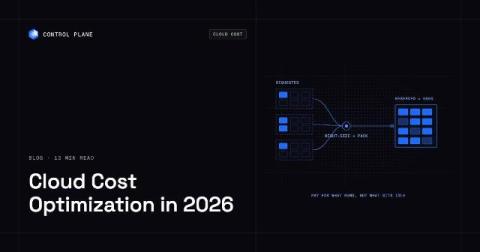
Cloud Cost Optimization in 2026: 10 Levers That Cut Your Compute Bill

Most cloud compute waste comes from paying for capacity your workloads do not use: over-provisioned requests, idle nodes, standby capacity, and per-service add-ons. The biggest savings come from changing how capacity is reserved and packed, not only from discounts or dashboards.

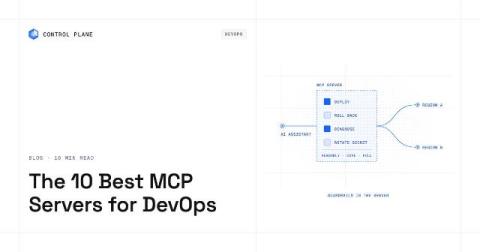
The 10 Best MCP Servers for DevOps and Cloud Infrastructure in 2026

The best MCP servers for DevOps depends on what you want an AI assistant to do: read code and pipelines, plan infrastructure as code, call one cloud’s APIs, observe production, or deploy and operate workloads. The safest setups combine scoped permissions, a read-only mode for investigation, confirmation before destructive actions, and an audit trail of every change.

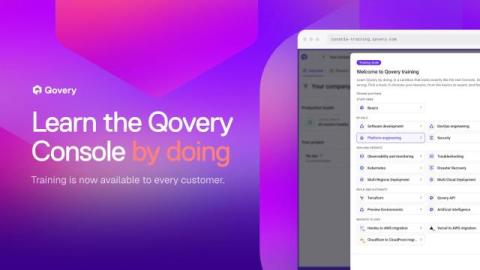
Introducing Qovery Training: Learn the Console by Doing, Before You Touch Production

Qovery Training is now generally available to every Qovery customer. It is a sandbox copy of the Console on fake data, with 18 tracks for software engineers, DevOps, platform and security teams, a simulated terminal and AI agent, and training spaces where admins pick the lessons and follow their team's progress. Romaric founded Qovery to make Kubernetes accessible to every engineering team. He writes about platform strategy, developer experience, and the future of cloud infrastructure.

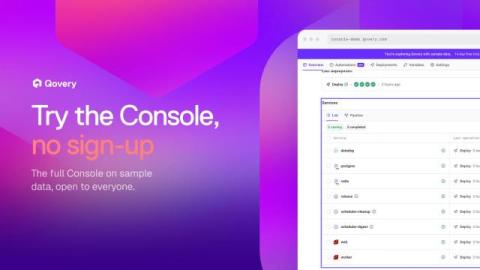
Try the Qovery Console Without Signing Up

The Qovery Console demo is open to everyone at console-demo.qovery.com. No account, no credit card, no cloud credentials: the full Console on sample data, with seven short product tours. Romaric founded Qovery to make Kubernetes accessible to every engineering team. He writes about platform strategy, developer experience, and the future of cloud infrastructure.

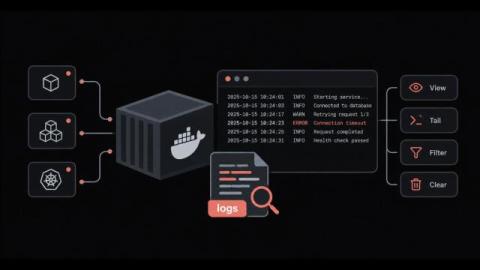
How to View, Filter and Manage Docker Logs Without Losing Them or Filling the Disk

Why does a container fail, restart and leave behind almost nothing useful when you go looking for the cause? Docker logs are the first place most engineers check during an incident, and they work well right up until the output goes missing. Sometimes it is buried under thousands of lines, and sometimes it is deleted along with the container. The docker logs command itself is simple. The difficulty comes from the settings around it, starting with the logging driver and where its files live on disk.

Antivirus scanning with CFEngine and ClamAV

Is the antivirus on your servers working correctly right now? Installing ClamAV takes a single command. The hard part is keeping it running on all servers, since freshclam fails without indicating a problem, cron jobs disappear, and no one notices until an audit. The new ClamAV module deals with this by ensuring that ClamAV remains operational on all hosts and also indicates to you in the Mission Portal when it isn’t.

Observability Lessons NVIDIA and CoreWeave

The best thing that can happen to an open-source project is to find its way into some of the world’s largest technology companies. In September 2026, this happened twice in one week: VictoriaMetrics is now officially bundled in the self-managed edition of NVIDIA’s Cloud Functions, and I learned that CoreWeave is using VictoriaMetrics as the metrics backend for all of its infrastructure customers. Both companies adopted VictoriaMetrics independently.