Operations | Monitoring | ITSM | DevOps | Cloud

Root out the odd operation with Operations Breakdown

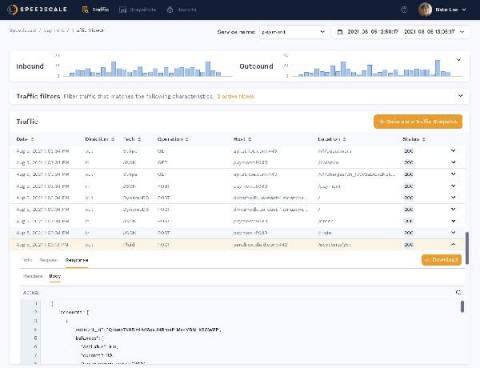
Transactions are sent when your service receives a request and sends a response, like an API call or a page load. Within each transaction is a series of operations. We built Operations Breakdown to help you, the developer, quickly see how much time was spent in each operation within a transaction. Why? Simple, so you can address the operations with the longest duration and likely causing annoying performance issues for your customer.

GitOps Feature Release

It’s no secret that the software development community is starting to embrace GitOps. With the complexity of engineering modern software today, it is becoming a necessity for many companies to reassess their software development and delivery practices. When Codefresh first released GitOps 2.0 late last year, we had already planned to make it a core pillar of our platform.

GitKraken v7.7: Git for Teams

Get ready to collaborate with your team on a whole new level. While Git is amazing at tracking changes over time and giving us insight into the past, it’s not so great at helping you see what changes others are currently making or who is assigned to work on what parts of the code on any given project. Wouldn’t it be great to get better insight into what others on your team are actively working on, without ever switching applications? We could not agree more! Announcing GitKraken v7.7.

Introducing Datadog Cloud Security Posture Management

Governance, risk, and compliance (GRC) are major inhibitors for organizations moving to the cloud—and for good reason. Cloud environments are complex, and even a single misconfigured security group can result in a serious data breach. In fact, misconfigurations were the leading cause of cloud security breaches in 2020. This puts a lot of pressure on developer and operations teams to properly secure their services and maintain regulatory compliance.

Environment variables and Secrets for Qovery v2 released

I am super excited to announce that we released the support of Environment Variables and Secrets. Watch the video to see those features in action. Environment Variables and Secrets are similar. The main difference is that the Secrets are encrypted and the value can’t be revealed. Both are injected at the build and runtime of your applications. Give it a try now! Resources: I am eager to have your feedback. Put a comment here. ‍

What's new in Grafana Enterprise Metrics 1.4: Cross-cluster query federation and self-monitoring

We introduced Grafana Enterprise Metrics (GEM) last September to give centralized observability teams the ability to provide a multi-tenanted, horizontally scalable Prometheus-as-a-Service experience for their end users. Since then, we’ve continued to make improvements and introduce new functionality. In this blog, I wanted to take a deeper dive into two of the exciting new features released with GEM 1.4.

Updates to ServiceDesk Plus Cloud for Microsoft Teams: Enhanced chatbot, ESM, and UI

2020 has seen a surge in the number of organizations embracing remote work to adapt to the new normal, leading to increased reliance on digital collaborative workspaces like Microsoft Teams. As organizations migrate critical business processes to such digital workspaces, IT service management teams need to leverage these platforms as channels for delivering IT and enterprise support.

What's new in Calico Enterprise 3.7: eBPF data plane, high availability, and more!

As our enterprise customers build out large, multi-cluster Kubernetes environments, they are encountering an entirely new set of complex security, observability, and networking challenges, requiring solutions that operate at scale and can be deployed both on-premises and across multiple clouds. New features in our latest release add to the already formidable capabilities of Calico Enterprise.