Operations | Monitoring | ITSM | DevOps | Cloud

Patch management automation: Is it worth the hype?

Patch management is a term that’s familiar to all within the depths and boundaries of endpoint security. While the addition of “automation” to this term might make it seem like one among the thousands of other automated tasks, cybersecurity experts have been going gung ho over it in the last few years. If you’re reading this, it probably doesn’t make sense to explain to you what patch management automation or automated patch management is.

How Implementing Risk-Based Patch Management Prioritizes Active Exploits

Resistance to change is always present, especially if you think the processes you have in place are efficient and effective. Many organizations feel this way about their software management procedures until they have a security breach or incident and are left wondering where they went wrong. The reality is that most patch management programs are built on assumptions and recommendations, rather than facts about actively exploited vulnerabilities. Risk-based patch management is the answer to this issue.

N-sight PME Update-Exploring Granular Patch & Best Practices

The Patch Management Engine (PME) in N-able N-sight RMM has been updated! I cannot stress how excited I am for granular patching. With the ever-changing security landscape in today’s world, we need more control over patching than ever. In this blog, I will quickly review the PME updates and give some quick-hit best practices that have served me well in the real world.

Three Reasons Endpoint Security Can't Stop With Just Patching

With remote work now commonplace, having a good cyber hygiene program is crucial for organizations who want to survive in today’s threat landscape. This includes promoting a culture of individual cybersecurity awareness and deploying the right security tools, which are both critical to the program’s success. Some of these tools include endpoint patching, endpoint detection and response (EDR) solutions and antivirus software.

The Next Evolution of Patch Management: Security Insights Podcast Ep. 13

Welcome to Security Insights: where best-practice cybersecurity meets the real-world risks, workplaces, and roadblocks you face every day. Join Chris Goettl, head of Endpoint Security Product Management, and Ashley Stryker, your cybersecurity "rubber duck", as they review the security strategies and tactics that truly matter to the information security teams protecting organizations, agencies, and businesses like yours.

SCCM Patch Management: Deployment Guide

When comparing operating systems, it’s clear that Microsoft Windows currently comes out on top. As a matter of fact, “Microsoft Windows was the dominant desktop operating system (OS) worldwide as of January 2023, with a share of just over 74 percent.” Microsoft has many tools and features that are widely-used by the IT community, such as SCCM. This SCCM patch management deployment guide lays out the essential steps to take for deploying updates in the tool.

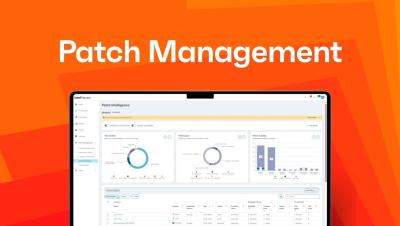
May, 2023 Product Updates: Patching for Linux and an All New Dashboard

During the month of May, NinjaOne will roll out a slew of exciting new features and enhancements as part of their 5.3.9 release. Most of the features are the direct result of requests from our customers and we’re glad to be able to bring them to light. First, NinjaOne has a new Patching dashboard that is currently available for NinjaOne customers to test drive.

5 Reasons N-able N-central Patch Management is Best in Class

Whether you work for an MSP or you are an IT Professional, patch management is a critical aspect of modern IT infrastructure, particularly in today’s complex, interconnected world. With the ever-increasing number of cyber threats and vulnerabilities, it is essential to keep your software up-to-date to help minimize the risk of security breaches.