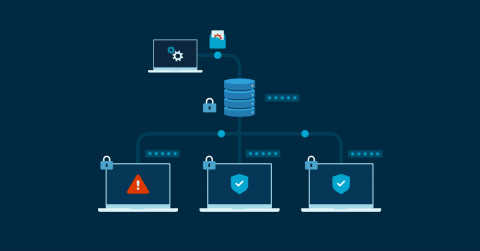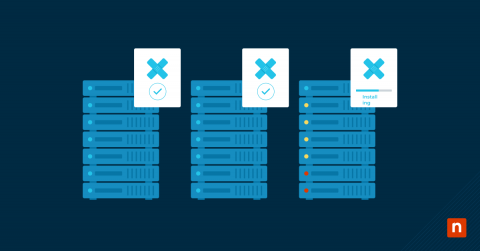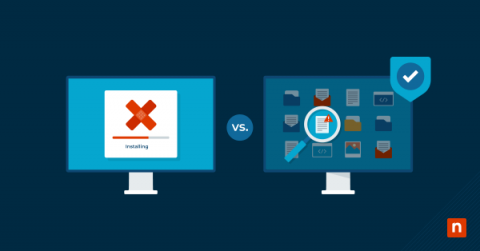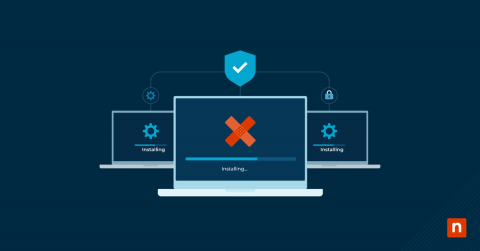
“Some things age better with time; unfortunately, the software is not one of them,” iLink Digital explains in their patch management review. Whenever software malfunctions or becomes outdated, enterprise patch management systems come to the rescue. In this overview, we’ll uncover the challenges, benefits, and case studies for enterprise patch management.
Patch management has become an essential part of IT and a critical part of ensuring an enterprise’s safety and efficiency. Why are these seemingly trivial updates so important? In short, because companies without an effective patch management solution are at a massively increased risk of cyberattack. There are other reasons why patching hardware and software is important.
Welcome to part 2 of our Patch Management Basics series. In part 1—Learn patch management—we covered what patch management is, how it’s different to vulnerability management, and what the components are that make a good patch management program. In this article, we’re going to go a step deeper and explore the features that make up the best patch management solutions.
OpsRamp’s Operating System Patch Management module is a flexible, yet powerful capability provided to all OpsRamp platform customers or licensed separately. With our SaaS-based OS Patching solution for Windows and Linux endpoints, you can automate the entire patch management process from identification of missing OS patches to the process of patch installation.
Leaving software unpatched is one of the most basic, unforced errors an executive can make, but companies large and small keep learning this the hard way. Keeping software up-to-date is harder than it seems, so even when execs are aware of the importance of patching, the sheer volume of needed fixes and the high error rate mean that not every company stays protected.
There is an increasing amount of technology used by businesses, from applications to entire networks. More technology means that there are more opportunities for errors or vulnerabilities in these systems to be exploited. With all those opportunities, it’s no wonder why these technological errors continue to be exploited by experienced hackers. What’s worse is that, according to Ponemon, 37% of businesses aren’t even scanning their IT environment for these vulnerabilities.
Since the number of malware attacks continues to rise every year, effective patch management is more important now than ever before. In fact, a recent Market Data Forecast report on the patch management industry claims that “the global patch management market size is forecasted to grow USD 1084 million by 2027 from USD 652 million in 2022, growing at a CAGR of 10.7% between 2022 and 2027.” Learn more about patch management and its multiple benefits in this overview.