Operations | Monitoring | ITSM | DevOps | Cloud



February 2020 Downtime Report
February kicked 2020 off with a terrifying glimpse into what happens when the Internet of Things stops Internetting things. If we consider our central question this year of uptime in the age of always-connected, then we start to see the impact of hidden failures. All the stuff we don’t know we know impacts the end-user. Someone forgets to renew a TLS certificate, half the business world can’t collaborate. Someone else flubs an update?

Azure Functions Live - March 2020
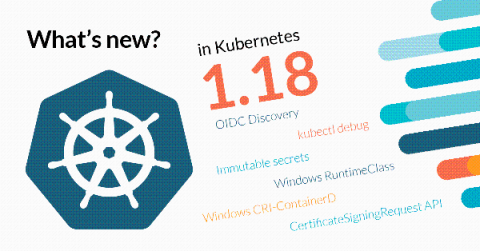
What's new in Kubernetes 1.18?
Kubernetes 1.18 is about to be released! After the small release that was 1.17, 1.18 comes strong and packed with novelties. Where do we begin? There are new features, like the OIDC discovery for the API server and the increased support for Windows nodes, that will have a big impact on the community. We are also happy to see how some features that have been on Alpha state for too long are now being reconsidered and prepared for the spotlight, like Ingress or the API Server Network Proxy.
Virtual Meetup: Faster Java Applications with Elastic APM
42 Elasticsearch Query Examples - Hands-on Tutorial
Elasticsearch provides a powerful set of options for querying documents for various use cases so it’s useful to know which query to apply to a specific case. The following is a hands-on tutorial to help you take advantage of the most important queries that Elasticsearch has to offer. In this guide, you’ll learn 42 popular query examples with detailed explanations, but before we get started, here’s a summary of what the types of queries we’ll tackle.
Accelerating Benefits of Cloud Native CI/CD and GitOps with D2iQ Dispatch
Icinga for Windows - Bugfix Release v1.0.1
In February we released the first version of our new Icinga for Windows monitoring. Within a short amount of time we received a lot of feedback from different test and customer environments. Thanks to your testing, feedback and reports we were able to track down additional issues on the framework itself. Today we are happy to announce Icinga for Windows v1.0.1 – fixing issues especially with service user handling and one issue with the Icinga Director Self-Service API.
PagerDuty Is for People: Supporting Our Community During COVID-19
Yesterday, we released our earnings during an unprecedented time for society and the market. One of the things I noticed was the collective empathy we experienced as we talked to different teams and companies in preparation, and in our analyst call backs, where to a person, everyone kicked off their call by wishing each other good health and safety. It reminded me that when we are all in this together, not only are great things possible, but it also feels less daunting and more manageable.

How I Built a Machine Learning Pipeline on AWS for Under $7 a Day
Andreessen Horowitz recently published a blog about the Heavy Cloud Costs and Scaling Challenges of The New Business of AI, in which they describe how AI companies are facing cloud cost challenges, which are impacting their margins. As someone who used to manage a fully home-grown on-site distributed speech recognition platform for an industry leader, I know firsthand that ML can be expensive and challenging to maintain. However, it doesn’t have to be.