Are you looking for a low-code platform to help you get the most out of your time-stamped data from servers, sensors and systems? Find out if the InfluxDB Cloud time series platform is right for you.
Find out how to use PowerShell and REST APIs to integrate SCOM alerts into ServiceNow. In this webinar, we'll take you through building your own SCOM connector for ServiceNow using Powershell to send SCOM alerts to the Incident table. This DIY guide illustrates how to get alerts out of SCOM to your cloud platforms, therefore you can apply these principles to any similar system.
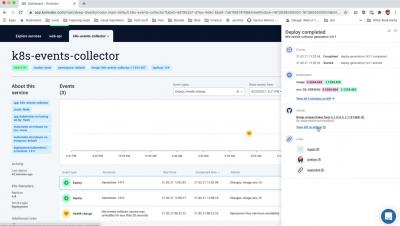
Komodor in a Kubernetes troubleshooting platform that tracks all changes, across your entire k8s stack, analyzing their ripple effect and providing you with the context you need to troubleshoot efficiently and independently. Check out this product demo to see our platform in action!
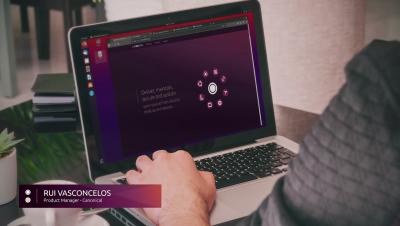
In this video, we install Kubeflow in a Kubernetes agnostic fashion using Juju and Charmed Kubeflow. This video exemplifies the steps necessary to install Kubeflow on any conformant Kubernetes, including AKS, EKS, GKE, Openshift and any kubeadm-deployed cluster, provided that you have access to it via kubectl. To install Kubeflow locally, you can simply install MicroK8s and enable the Kubeflow add-on.
An exciting use case from our customer has brought us back to you with a new video on Service Bus Auto Forwarding. Have you ever wondered how to listen to a queue/topic Subscription which is already being accessed by another application? Here you go, watch our video, and get hands-on experience in it.
Splunk Dashboard Studio is our new and intuitive dashboard-building experience that allows you to communicate even your most complex data stories. This demo walks you through the key capabilities to leverage when building dashboards in Splunk. For more information, check out the Dashboard Studio documentation.
Capacity Optimizer is an automated solution that continuously improves the performance of analytics clusters without manual intervention or application tuning.