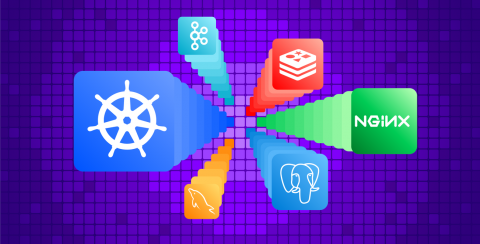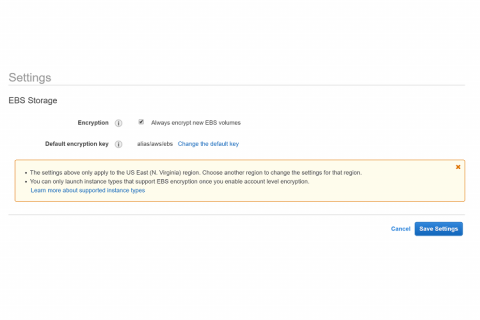
Amazon Elastic Container Service for Kubernetes (Amazon EKS) is a managed service that makes it easyfor you to run Kubernetes on AWS without needing to install and operate your own Kubernetes clusters.
I recently spoke to Nick Rockwell, CTO at The New York Times (a Sentry customer), and Yonas Beshawred of Stackshare about simple solutions, React, and going serverless. Take a listen or read on for the highlights. Because why would we even bother with the lowlights?
Centralized log collection has become a necessity for many organizations. Much of the data we need to run our operations and secure our environments comes from the logs generated by our devices and applications. Centralizing these logs creates a large repository of data that we can query to enable various types of analysis. The most common types are conditional analysis and trend analysis. They both have their place, but trend analysis is perhaps the more often underutilized source of information.
Production logs can help ensure application security, reveal business insights and find and understand errors, crashes, and exceptions. But as useful as logs are, they’re difficult to manage and hard to keep track of. Making matters worse is that as log data volume grows, so does the difficult task of maintaining and managing them. It’s for this reason that developers, DevOps engineers, and CTOs turn to log management tools.
We cover a lot of ground this week with posts on general monitoring principles, home automation, how CERN uses open source projects in their particle acceleration work, and more.
It does not matter how BIG your IT team is – this little device doesn’t need much. No fancy desks, gadgets, vacation days or sick days. It keeps your team working efficiently and effectively so that they can focus on the real matters!
As communication and network infrastructure grows in size and complexity, having a complete view and understanding of your network environment (including the amount and type of network traffic going back and forth) becomes vital to your business’ health and operations. Having the right tools to do the job is just as important. If you can’t quickly determine the source, destination, rate and the type of traffic going across the network, you don’t have the right tool.
What is whitebox monitoring? Why do we monitor our systems? What is the Azure Monitor plugin and how can I use it to monitor my Azure resources? Recently, I spoke at Swetugg 2018, a .NET conference held in Stockholm, Sweden to answer these questions. In this video you’ll learn some basic monitoring principles, some of the tools we use to monitor our systems, and get an inside look at the new Azure Monitor plugin for Grafana.
NVM (Node Version Manager) is a great tool that enables the user to switch beetween differents versions of Node.js. Here's a quick introduction on how to install, use it and take advantage of all its features.