Operations | Monitoring | ITSM | DevOps | Cloud

Top 11 API Monitoring Tools You Need to Know

APIs are the backbone of modern software, quietly powering everything we interact with. But just because they’re invisible doesn’t mean they can’t run into issues. From response times to uptime, keeping an eye on your APIs is key to making sure everything works smoothly. In this guide, we’ll explore 11 popular API monitoring tools to help you find the one that best fits your needs.


Website Performance Benchmarks: What You Should Aim For [with Examples]

When it comes to your website, speed is everything. A slow site frustrates users, drives up bounce rates, and even impacts your revenue. That’s where website performance benchmarks come in. They help you figure out how well your site is performing, where it needs improvement, and—most importantly—what you can do to make it faster. In this guide, we'll walk you through the key benchmarks, the tools you need, and a few tips that’ll help your site outshine the competition.

SSHD Logs 101: Configuration, Security, and Troubleshooting Scenarios

Secure Shell (SSH) is a fundamental tool for remote system administration, and its logs play a critical role in security monitoring, debugging, and compliance. SSHD logs provide insights into authentication attempts, connection successes, failures, and potential intrusions. This guide explores everything you need to know about SSHD logs, including their location, format, analysis, and lesser-known security practices to maximize their effectiveness.

CLI Operations for InfluxDB 3 Core and Enterprise

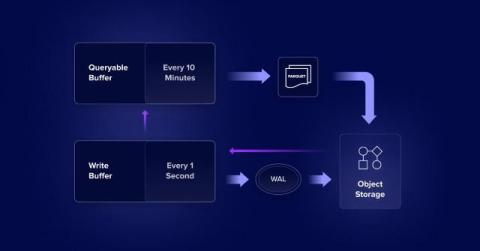
This blog covers the nitty-gritty of essential command-line tools and workflows to effectively manage and interact with your InfluxDB 3 Core and Enterprise instances. Whether you’re starting or stopping the server with configurations like memory, file, or object store, this guide will walk you through the process. We’ll also look at creating and writing data into databases using authentication tokens, exploring direct line protocol input versus file-based approaches for tasks like testing.

Magento performance optimization-Actionable tips and strategies

Is your ecommerce store traffic resulting in enough conversions? If not, your store might be facing performance issues. Amazon loses 1% of its $141 billion online sales for every 100ms of latency. BBC risks 10% of its website visitors for every additional second of load time. As your business grows, the need to build new features, customize code, and integrate third-party systems grows.

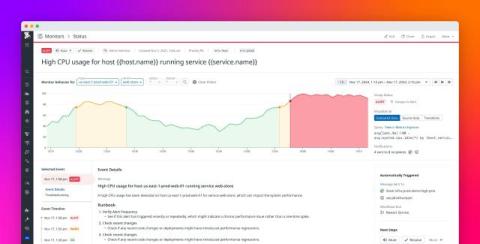
Quickly get rich, actionable context for alerts with Datadog's new Monitor Status page

Providing rich context for monitor alerts is an essential part of any robust, scalable monitoring strategy. Alerts that send teams scrambling for basic background information prolong troubleshooting, hindering effective incident response and heightening the potential for service disruption. Given the increasing complexity of modern, distributed applications, however, breaking down knowledge silos in order to ensure consistent access to critical context for alerts can be a challenge.

The role of FIPS 140-3 in the latest FedRAMP guidance

There’s good news in the US federal compliance space. The latest FedRAMP policy on the use of cryptographic modules relaxes some of the past restrictions that prevented organizations from applying critical security updates. There has long been a tension between the requirements for strictly certified FIPS crypto modules and the need to keep software patched and up to date with the latest security vulnerability fixes.

Essential Software Deployment Best Practices for Success

Smooth and efficient software deployment is critical to delivering high-quality applications that meet user expectations. Still, many software failures can be traced back to deployment issues. A well-structured deployment strategy can help DevOps & SREs teams prevent these errors, ensure system reliability, and enhance user satisfaction. This guide explores software deployment best practices, from planning and execution to post-deployment monitoring and incident management.