Operations | Monitoring | ITSM | DevOps | Cloud

Asset Maintenance Best Practices for Optimal Asset Performance

Lots of people believe that asset maintenance and asset repairing are the same but it's not. Asset maintenance prevents the requirement of asset repairing. Repairing is something that is broken and now needs to be brought back into running condition. Asset maintenance is an umbrella that records all that goes into keeping your resources everything looking good. By manufacturing hardware, resource support can mean normal examinations and fixes.
Building Better In The Cloud: Getting Serious About Optimizing Cloud Spend

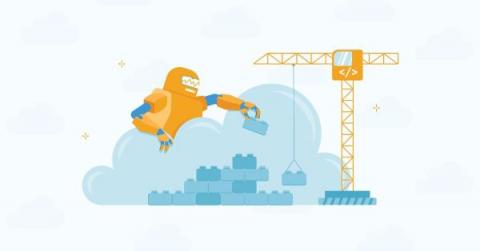
In the beginning, companies and cloud cost management vendors focused on reducing the absolute cost of the cloud. That would be the equivalent of solely focusing on the total cost of a sales organization versus considering how much new revenue they were booking, or the productivity of the sales team or the cost of customer acquisition. As cloud spend followed its rapid growth trajectory, curbing it most often relied on discounts.

Operationalizing Experience in the New Enterprise Network

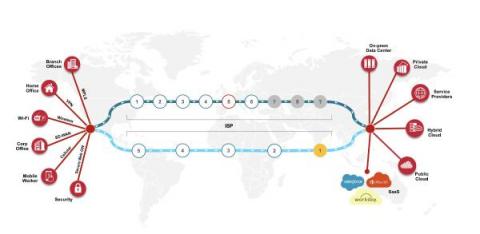
With the latest release of our network monitoring and digital experience monitoring software, we are proud to introduce an industry-first Experience-Driven NetOps solution, taking network visibility to the new enterprise network, expanding beyond the network edge to ISP and cloud providers. The DX NetOps 22.2 release will enable teams to operationalize the new enterprise network, focus on user experience, and avoid chasing utilization spikes.

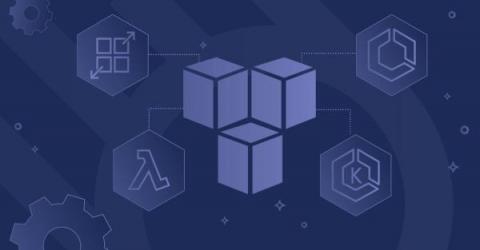
Four Ways to Run Containers on AWS

AWS provides multiple ways to deploy containerized applications. From small, ready-made WordPress instances on Lightsail, to managed Kubernetes clusters running hundreds of instances across multiple availability zones. When deciding on the architecture of your application, you should consider building it serverless. Being free from (virtual) server management enables you to focus more on your unique business logic while reducing your operational costs and increasing your speed to market.

The Papertrail SaaS Add-On in DigitalOcean Centralizes Everything You Need for Log Management

The SolarWinds® Papertrail™ software as a service (SaaS) Add-On in the DigitalOcean Marketplace is one of the most exciting developments to come out of the DigitalOcean and Papertrail partnership. With the Add-On, developers can seamlessly add the simple yet powerful log management Papertrail is known for to their DigitalOcean infrastructure In an earlier post, we reviewed how the Add-On helps teams simplify their log management tasks.

DevOps Roadmap: 14 Steps to Become a DevOps Engineer

So, you want to become a DevOps engineer? It’s a stimulating, challenging, high-paying career choice, but the lynchpin role holds software development and operations together. We’ve compiled a DevOps roadmap that includes all the steps required to fill the shoes of a DevOps expert. As you know, DevOps is a set of practices and tools to integrate and automate processes between IT and software development teams.

The Current State of Workload Portability

Have you considered cloud portability, i.e., the ability to easily move workloads between on-premises systems and across multiple cloud service providers (CSPs)? The idea is that workloads should run in the environment that delivers the most value for your organization, but as that “optimal” environment can change over time, you need to be able to move your workloads accordingly.

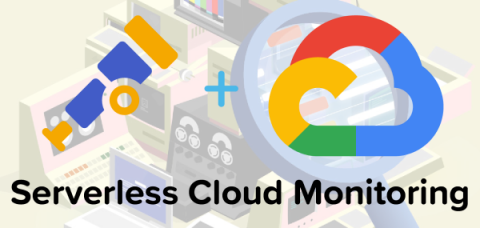
Serverless Monitoring In The Cloud With The observIQ Distro for OpenTelemetry

In this part 1 of a blog series on serverless monitoring, we will learn how to run the observIQ Distro For OpenTelemetry Collector, referred to as “oiq-otel-collector”, in Google Cloud Run. There are many reasons that someone may want to run monitoring in a serverless state. In our example, we will be monitoring MongoDB Atlas, a cloud hosted version of MongoDB.

Conditional CircleCI pipeline execution

The DevOps practice of continuous integration and continuous deployment (CI/CD) improves software delivery. CI/CD platforms monitor and automate the application development process ensuring a better application, faster. CI/CD pipelines build code, run tests, and deploy a production-ready version of an application that has passed all automated checks.