Operations | Monitoring | ITSM | DevOps | Cloud

The essentials of monitoring AWS Elastic Load Balancing

AWS Elastic Load Balancing (ELB) dynamically distributes incoming application traffic across multiple EC2 instances and scales resources to meet traffic requirements. Elastic Load Balancing helps optimize the performance of various web and mobile applications by identifying failing EC2 instances before they affect the end-user experience.

7 alerting optimizations you should use in your website and API monitoring

Alerting is central to your website, web application, and API monitoring. Getting the right message to the right people is essential to quickly resolving outages and error states. In this article, we walk you through seven aspects you need to consider when setting up the alerting for your monitors. If you need a general overview of how alerting works within Uptrends, we have a Knowledge Base article and an Academy course you may want to visit.

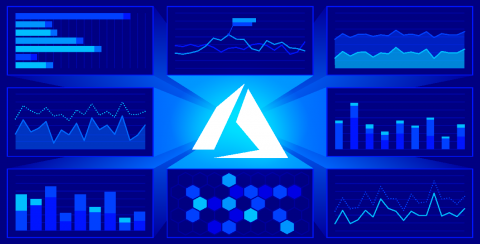
Enhanced Azure monitoring with Datadog

Microsoft Azure is a cloud computing platform for building, deploying, and managing global-scale applications. With a wide range of offerings, including dozens of different services, Azure provides tools for users to create large and sophisticated systems for hosting any type of workload. But with the huge number of configuration options and resource types, understanding the health and performance of your applications in Azure can be challenging.

Giraffe Visualization Library and InfluxDB

Giraffe is the open source React-based visualization library that’s used to implement InfluxDB’s v2 UI. It employs clever algorithms to handle the challenge of visualizing the incredibly high volume of data that InfluxDB can ingest and query. We’ve just published documentation describing how developers can take advantage of this library and I’ve tried to create a companion tutorial to further illustrate the power of this library.

Why Website Maintenance? The Best Practices for Peak Site Performance

If you have a website, you almost certainly want it to function at its best. In today's digital age, having a website is essential to businesses of all sizes - and it is just as important to maintain those sites. A well-maintained website is crucial for its optimal performance. If you want to grow your number of visitors, maintain search engine rankings, and improve your branding, it's always best to have a solid maintenance plan in place.

How to manage data in hybrid cloud environments

This article was originally published on DevOps.com. We’ve long-since established that multi-generational, multi-cloud environments are the new norm. But how does one go about managing data in those environments? In this post, we’ll take a look at the ramifications of this hybrid cloud reality and best practices for managing your data for increased scalability and heightened availability.

Challenges in Monitoring Web Applications That Utilize SSO

With enterprise solutions and consumer technology platforms offering an array of applications, a need arises to securely navigate between different applications within the same product suite, and on role-based access. Single sign-on (SSO) is a solution to implement a centralized authentication system, and maintains an authenticated session to access multiple applications in a product suite without having the need of entering user credentials every time.

Monitoring Applications that Require Identity Management Authentication

Identity and Access Management (IAM) systems provide core directory services, application access management, and authentication and authorization services. IAM also helps developers with a base platform to provide access control to their applications based on centralized policies and rules. IAM manages user details, authentication, and access information for an organization. The responsibility of user management and authentication creates a great dependency on IAM.

Splunk - Creates real-time business impact from data

From dealing with security concerns to production monitoring, businesses need to analyze the log data of their systems to ensure everything is functioning normally. In a computing context, a log refers to automatically produced and time-stamped documentation of events related to a particular system. Analysis of log data helps businesses comply with regulations, security policies and audits, understand online consumer behavior, and comprehend system troubleshoots.

Identifying and monitoring key metrics for your hosts and systems

This post is the first in a three-part series on how to effectively monitor the hosts and systems in your ecosystem, and we're starting with the one you use most: your personal computer. Metrics are a key part of observability, providing insight into the usage of your systems, allowing you to optimize for efficiency and plan for growth. Let's take a look at the different metrics you should be monitoring.