Operations | Monitoring | ITSM | DevOps | Cloud

Quick Dictionary to Open<X> Projects in Observability

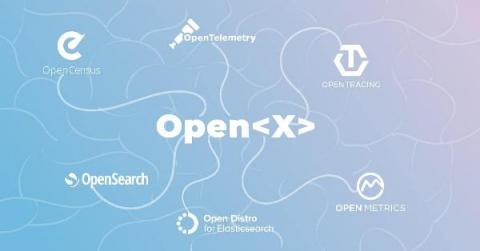
Do you also find yourself confused by all the Open-this and Open-that names flying around? There are currently a good few Open projects, standards, tools – OpenTelemetry, OpenTracing, OpenCensus, OpenSearch… heck, even my podcast is called OpenObservability! And new Open names seem to be popping up every other day. If you too feel this way, there’s no need. Many feel similarly confused.

Model-driven observability: modern monitoring with Juju

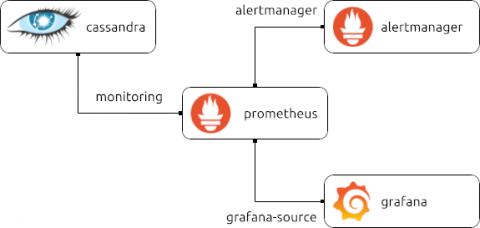
The end-to-end monitoring of complex software systems is difficult, toil-intensive and error-prone. Developers, SREs and Platform teams must continuously invest effort in setting up and maintaining the monitoring setups that underpin the observability of their systems, or accept the risk of being unaware of ongoing issues and their impact on end users. Enter model-driven observability powered by Juju!

Tale of the Beagle (Or It Doesn't Scale-Except When It Does)

If there’s one thing folks working in internet services love saying, it’s: "Yeah, sure, but that won’t scale." It’s an easy complaint to make, but in this post, we’ll walk through building a service using an approach that doesn’t scale in order to learn more about the problem. (And in the process, discovering that it actually did scale much longer than one would expect.)

How Vanguard used Observability to Accelerate and De-risk their Cloud Migration

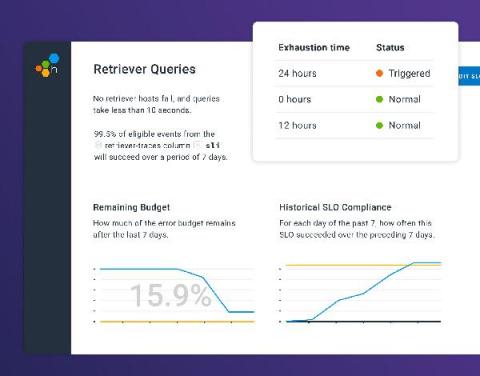
Rich Anakor, chief solutions architect at Vanguard, is on a small team with a big goal: Give Vanguard customers a better experience by enabling internal engineering teams to better understand their massively complex production environment—and to do that quickly across the entire organization, in the notoriously slow-moving financial services industry. They also had a big problem: The production environment itself.

Observability with Zero Code Instrumentation? Meet eBPF

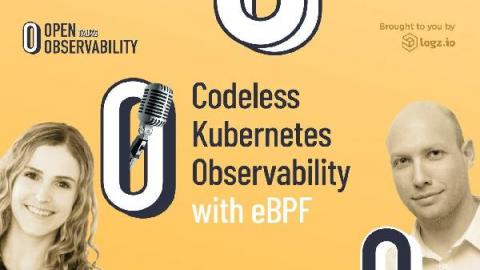
Current observability practice is largely based on manual instrumentation, which requires adding code in relevant points in the user’s business logic code to generate telemetry data. This can become quite burdensome and create a barrier to entry for many wishing to implement observability in their environment. This is especially true in Kubernetes environments and microservices architecture.

Improving Our Typography to Optimize the Honeycomb User Experience

This is the second post in our series about Lattice, Honeycomb’s new design system and how we’re applying a user-centric design philosophy to our product. Lattice begin! At Honeycomb, we understand that our users are often under a great deal of pressure when troubleshooting complicated issues in their applications.

Coffee Break Webinar Series: "Intelligent Observability - What the Analysts Say"

We know commitment issues are the real deal, especially when it comes to significant and costly tech investments. Understanding how the market is performing and what’s up ahead is critical for investing in AIOps. Our crew is here to help you through the challenging decision-making days and offer up the best analyst guidance.

How to Optimize Your Cloud Spend Using Observability

The rise of public cloud services has enabled businesses to innovate faster, scale effortlessly, and adopt more advanced technologies easier than ever before. However, there’s a dark side to using public cloud services: complexity and cost. Public cloud services can scale to handle almost any workload, but in doing so, they can quickly generate unpredictable costs for your business.

Observability vs. Monitoring: What's the Difference?

People often conflate monitoring and observability, and I can’t blame them. Marketers often use the terms interchangeably. However, monitoring and observability are two fundamentally different but related things. Understanding the differences between the two both technically and intuitively can help you become a better network troubleshooter, architect, and manager. After all, like many buzzwords before it, observability is an important concept if you can get past the fluff.