Operations | Monitoring | ITSM | DevOps | Cloud

How to use Elasticsearch and Time Series Data Streams for observability metrics

Elasticsearch is used for a wide variety of data types — one of these is metrics. With the introduction of Metricbeat many years ago and later our APM Agents, the metric use case has become more popular. Over the years, Elasticsearch has made many improvements on how to handle things like metrics aggregations and sparse documents. At the same time, TSVB visualizations were introduced to make visualizing metrics easier.

A Simplified Guide to Implementing Full-Stack Observability

After the craziness of the last few years, who can blame IT, DevOps, and operations teams for wanting more stability in their personal lives and jobs? Yet the message from the top isn’t in line with this: Gartner reports over 94% of CEOs aim to accelerate pandemic-era digital transformation and are investing 5.1% more into IT budgets. This means threading a delicate balance between stability and scalability.

Observability, Meet Natural Language Querying with Query Assistant

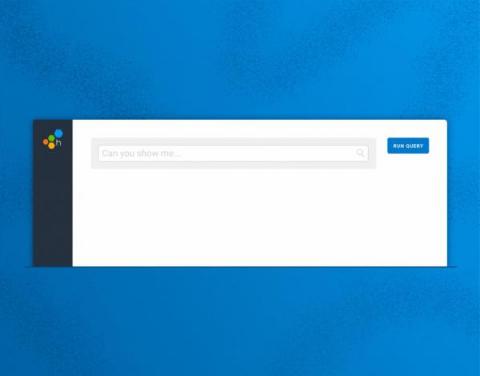
Engineers know best. No machine or tool will ever match the context and capacity that engineers have to make judgment calls about what a system should or shouldn’t do. We built Honeycomb to augment human intuition, not replace it. However, translating that intuition has proven challenging. A common pitfall in many observability tools is mandating use of a query language, which seems to result in a dynamic where only a small percentage of power users in an organization know how to use it.

Code Instrumentation in Cloud Native Applications

Cloud native is the de facto standard approach to deploying software applications today. It is optimized for a cloud computing environment, fosters better structuring and management of software deployments. Unfortunately, the cloud native approach also poses additional challenges in code instrumentation that are detrimental to developer productivity.

Scale Your Monitoring and Observability With Sensu

Sensu is the complete cloud monitoring solution for observability at scale, designed to give you rich insight and ensure that you know what’s going on everywhere in your system. With true multi-tenancy, an enterprise datastore that keeps pace as you scale, and streaming handlers to process all those events, you can rely on Sensu for cloud, container, and application performance monitoring that provides deep visibility into your entire infrastructure.

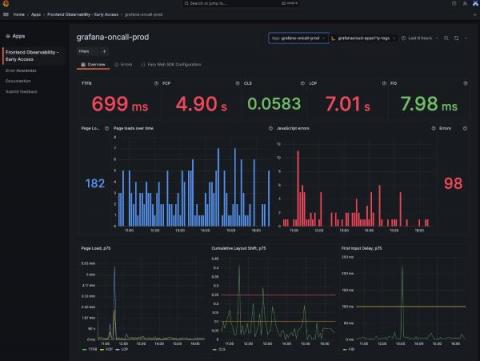
Gain real user monitoring insights with Grafana Cloud Frontend Observability

At ObserabilityCON 2022, we announced a limited private preview program for Grafana Cloud Frontend Observability, our hosted service for real user monitoring. Today we are excited to introduce a public preview program that makes Frontend Observability accessible to all Grafana Cloud users, including those in our generous free-forever tier. Simply look for Frontend under Apps in the left-hand navigation of the Grafana Cloud UI and click through to set up the feature. (Not a Grafana Cloud user?

Remote Query Solves the Observability Data Problem

We are caught in a whirlwind of rapid data change. As more engineers, services and sophisticated practices are helping generate an astronomical amount of digital information, there’s a growing challenge of the data explosion. Coralogix offers a completely unique solution to the data problem. Using Coralogix Remote Query, the platform can drive cost savings without sacrificing insights or functionality.

Our Favorite #chArt

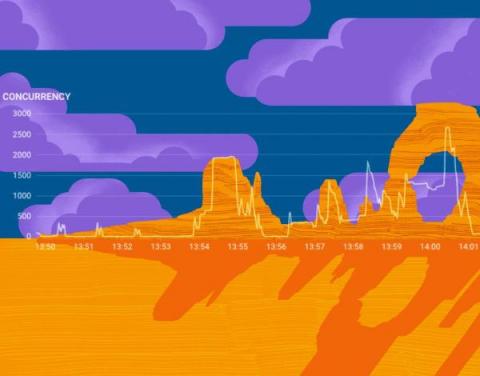
Heatmaps are a beautiful thing. So are charts. Even better is that sometimes, they end up producing unintentional—or intentional, in the case of our happy o11ydays experiment—art. Here’s a collection of our favorite #chArt from our Pollinators Slack community. Today would be a great time to join if you’re into good conversation about OpenTelemetry, Honeycomb-y stuff, SLOs, and obviously, art.