SIGNL4, Pycom and Azure IoT Central - IoT Service Alerting
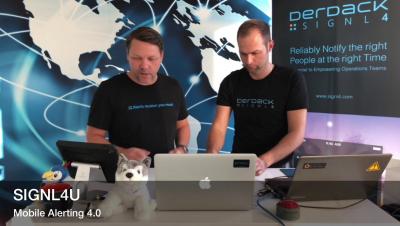
Iot Service Alerting for Azure IoT Central with Derdack SIGNL4 mobile alerting. Hardware used is Pycom with Sensorshield for measuring temperature data.


2017 was supposed to be the year of the Internet of Things (IoT)—the year that this highly-touted technology matured and started producing tangible results for organizations. However, the last 12 months have left advocates of IoT frustrated. A report from Cisco claims that close to 75 percent of all IoT projects fail, and IoT as a buzzword has been replaced by the likes of artificial intelligence and blockchain. This disheartening news paints a grim picture for IoT.
LPWAN (Low Power Wide Area Network), also known as LPWA or LPN, is a wireless data transport protocol that is now understood as one of the basic protocols for the implementation of IoT. In order to have a better idea of the relevance of LPWAN we can consider the prediction made by statisca.com of a steady increase in the number of LPWAN devices connected around the world, expecting this number to reach around 3.5 billion devices by 2021.
When we talk about IoT (or the Internet of Things), we immediately imagine a series of devices – although IoT is much more than that, we often think of household appliances – working in a coordinated way, as if by magic. But those who work with magic (like those who work with engineering) know that behind a great effect there is a complicated and laborious mechanism designed to make the trick work perfectly, and the audience is first surprised and then breaks into applause.