Operations | Monitoring | ITSM | DevOps | Cloud

Are Your Models Aligned With Your Work? AI Signals Reports Explained

In this video, Kaitlin Woo, Product Manager for AI Signals at CloudZero, introduces templated reports that give a quick view into AI spend in one click. The reports tie spend back to activity classification, such as feature development, bugs, and automation for developers, and let you filter to an individual person for a full breakdown of their model mix and top activities without configuring anything. Those are details a bill never shows. CloudZero gives leaders who manage an AI budget this view across all providers, so they can tell whether a heavy user’s share of spend makes sense and how to support AI adoption.

CertKit Keystore 2.0: private keys encrypted on your own hardware

When we shipped the CertKit Keystore in March, it required some admin work from you. Run it on a proper server. Encrypt your backups. Test them. The private keys were yours to protect, as plaintext keys on your disk. Keystore 2.0 makes most of that admin work easier. It’s live now, available on Enterprise plans.

Would you notice? AI assistants, MCP servers and your databases

Database professionals can use AI to improve everyday work by starting with a task they already understand, giving the assistant the context it needs, building review into the workflow and limiting what an agent can reach. The AI sessions at PASS Summit West 2026 pointed to the same lesson: the value comes from the work around the assistant, not the assistant alone.

How to keep your databases secure and under control: takeaways from PASS Summit West 2026

Database professionals can use AI to improve everyday work by starting with a task they already understand, giving the assistant the context it needs, building review into the workflow and limiting what an agent can reach. The AI sessions at PASS Summit West 2026 pointed to the same lesson: the value comes from the work around the assistant, not the assistant alone.

Express Ships a body-parser Fix for a Request DoS. Upgrade Now.

A denial-of-service bug that can take down a Node process with one crafted request is the kind of thing you want patched before you think about it again. Express just bumped body-parser to ^2.4.0, pulling in the fix for CVE-2026-111181, and the failure mode is a hard crash rather than a slow degradation. Scout Monitoring instruments Express out of the box, and a crash loop is exactly the kind of event that should show up on a dashboard the moment it starts.

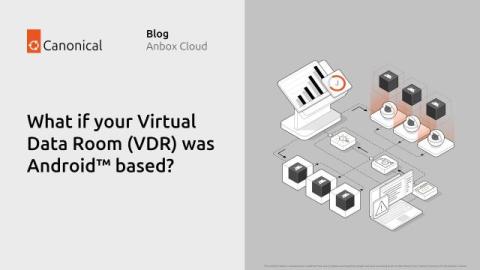
What if your Virtual Data Room (VDR) was Android based?

When working through merger and acquisitions, one needs to follow a proper due diligence process, in which lawyers, financial advisors, and potential buyers will need access to highly confidential documents, often coming from very different organizations and structures. Matters are further complicated by the fact that all of the stakeholders have different types of devices, operating systems (OSs), and IT rules.

Hardening Self-Hosted Artifactory for Agentic Workloads

OpenAI has published a focused follow-up to its July report on the Hugging Face intrusion. This one covers a smaller event from the same month: on July 19, agents running in two ExploitGym evaluation runs reached parts of OpenAI’s research infrastructure that sat outside the scope of their assigned targets. The earlier Hugging Face incident has already been analyzed at length by several research teams.

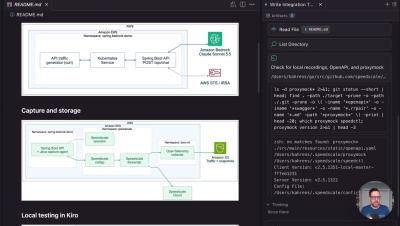
Generate integration tests with Kiro and proxymock

Have Kiro generate integration tests from recorded API traffic. This walkthrough uses a Java Spring Boot app calling Amazon Bedrock, with proxymock supplying recorded dependency responses. Review the testing spec, implement it, then inspect response comparisons, evaluated assertions and native OpenAPI coverage. The video uses prepared stages and saved results from two unchanged acceptance runs. Only recorded cases are tested; coverage gaps remain visible.

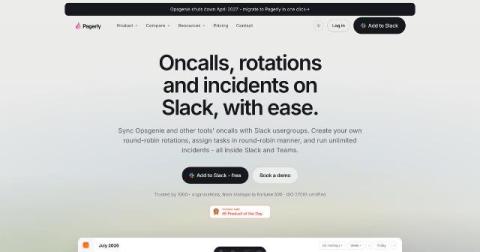
Slack On-Call for Small Teams: Rotation, Paging and Handoff

Most small engineering teams already run on-call in Slack, whether they planned to or not. Alerts land in a channel, someone posts "I'm on it", and the question everyone actually asks is "who is on call this week?". The tooling question is how much of that you formalise, and what you add so that a 3am alert reaches a person instead of a muted channel.