Cybersecurity threats are coming in hot and have quickly become an urgent concern for organizations of all sizes. In response, security teams are shifting away from homegrown security solutions and towards automation using commercially available tools. As organizations seek to improve their security resilience, they find themselves also needing to scale their security teams more efficiently as they address continuous staffing shortages.
The third and final chapter in our three part blog series. John Appleby sits down with Nick Miletich, CTO at Managecore, to discuss how building a next generation managed service firm had to include automation at the helm.
For the last ten years, one of the most popular Integrations in the market has been for organisations that have deployed Microsoft System Center to manage their infrastructure, who also use ServiceNow as their corporate Service Desk. The need to integrate Microsoft System Center was originally driven by the need to automate the generation of ServiceNow tickets from events in System Center Operations Manager.
Budgets in IT departments are tight these days, so proving a return on investment is essential for justifying or expanding a project. The good news is that automation saves money by reducing the amount of human effort required. It is similar to investing in a robot vacuum cleaner. Despite the upfront cost, you save time (and money) by not having humans do the vacuuming. Reporting the value delivered by an automation program can be challenging since the value depends heavily on what is being automated.
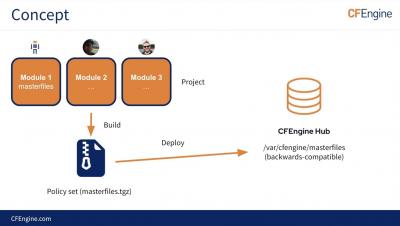
For slides and more information, see our blog post:
https://cfengine.com/blog/2023/cfgmgmtcamp/
Concerns of automation taking away the available jobs for the workforce have prevailed for over 50 years. While automation can be a substitute for labor, David Autor declares, “Automation also complements labor, raises output in ways that lead to higher demand for labor, and interacts with adjustments in labor supply.” Automation can be invaluable for industries that provide professional services.
In the last few weeks, I have had a number of conversations with customers about what we have come to call the Automation Paradox. What happens is that organizations seeking to automate manual processes are so busy, that they cannot find the time to invest in automating in the first place, and so they find themselves frozen - unable to move forward. I took some time to talk to customers who got through this, and found a number of themes that may help you get past this. Blocks are often a state of mind