The latest News and Information on CyberSecurity for Applications, Services and Infrastructure, and related technologies.
Automation is a powerful tool. With some foresight and a little elbow grease, you can save hours, days, or even months of work by strategically automating repetitive tasks. What makes automation particularly beneficial is that it eliminates manual interaction with multiple systems. Rather than manually uploading data to an event response system or notifying key support personnel of an incident, tying these tasks together through automation can reduce critical time and help resolve problems faster and more efficiently. But, before we can fill in the gaps between all of the platforms we are responsible for, we first need to understand how data moves around on the web and how we can use that process to our advantage.
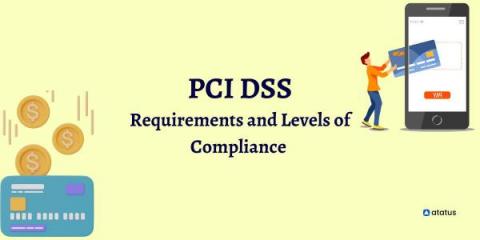
The security of payments is underlined in multiple visuals we confront each day while visiting numerous websites and apps. Can businesses and customers benefit from that? Any company handling cardholder data, whether a startup or an enterprise, must adhere to the Payment Card Industry Data Security Standard (PCI DSS). You must validate your compliance annually in order to remain compliant.
More and more companies around the world are using cloud solutions to run their applications, software or to store their data. But what about cloud compliance? The democratisation of the cloud is not surprising as it provides access to virtual data storage where companies no longer need to buy or maintain their own IT infrastructure. However, with cloud solutions, the security of user data should not be overlooked. There are cloud certifications and regulations that can help you in your choice.
Last year, we announced our partnership with the National Cybersecurity Center of Excellence (NCCoE) at the National Institute of Standards and Technology (NIST) to work on the Implementing a Zero Trust Architecture project. After a year of collaboration with its industry partners, including Ivanti, NIST recently released its preliminary draft, NIST Cybersecurity Practice Guide SP 1800-35 Vol B, for public comment.
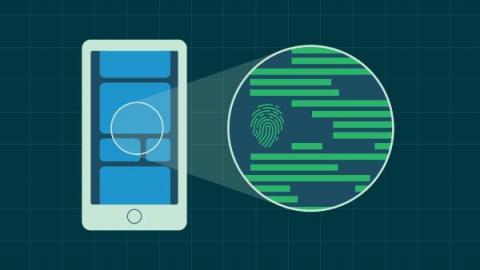
When creating an application, developers often rely on many different tools, programs, and people. This collection of agents and actors involved in the software development lifecycle (SDLC) is called the software supply chain. The software supply chain refers to anything that touches or influences applications during development, production, and deployment — including developers, dependencies, network interfaces, and DevOps practices.
StatusGator now supports Two-Factor Authentication, often called 2FA, a more secure way of signing into your account. Using an authenticator app such Google Authenticator, Authy, or a password manager like 1Password, you can now protect your StatusGator account with a second authentication factor, a one-time password (OTP) that you enter after signing in.