Operations | Monitoring | ITSM | DevOps | Cloud

Streamlining Laundry Management with RFID Technology in The Hospitality Industry

Laundry is a crucial component of the hospitality industry, and managing it efficiently is crucial to the success of any hotel or resort. Laundry is essentially inventory, and managing it effectively is a challenging task. With the advent of RFID technology, however, laundry management has become significantly easier and more efficient, offering numerous benefits to the hospitality industry. ‍
Best Solutions to Protect Against Malware in 2023

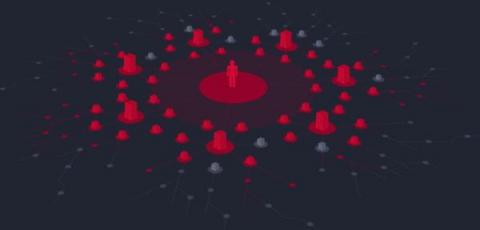
The modern threat actor is using the most advanced technologies to gain access to your systems, wreak havoc, and steal your sensitive data. In the constant cybersecurity “arms race,” IT providers, MSPs, and security professionals are incorporating these same advanced technologies to stop these sophisticated attacks. In this article, we’ll discuss the current malware threat and work to better understand what you can do to stop these attacks.

Q&A: How the DoD Can Modernize Its Networks and Optimize User Experience

The Department of Defense (DoD) is on a mission to modernize its IT environments, radically changing the nature of its network operations (NetOps) in the department. Network availability and performance keep getting more integral to the DoD’s charter, which means downtime isn’t just troublesome, it’s a life-or-death matter. In this post, we’ll outline how key DoD modernization imperatives are affecting NetOps.

Accelerating the adoption of AI in banking with MLOps

There is rapid adoption of artificial intelligence (AI) and machine learning (ML) in the finance sector. AI in banking is reshaping client experiences, including communication with financial service providers (for example, chat bots). Banks are exploring ways to use AI/ML to handle the high volume of loan applications and to improve their underwriting process.

Logging for public sector: How to make the most of your mission-critical data

With governments doubling down on logging compliance, many public sector organizations have been focusing on optimizing their log management, especially to ensure they retain logs for required periods of time. Logs — though seemingly straightforward — are the backbone of many mission-based use cases and therefore have the potential to accelerate mission success when centrally organized and leveraged strategically. In public sector, logs are instrumental in.

Hyper-V Best Practices

Virtualization has become an essential component of modern IT infrastructure, enabling organizations to optimize their resources, improve efficiency, and reduce costs. Microsoft Hyper-V, a popular virtualization technology, allows for the creation and management of virtual machines (VMs) on a physical server. It enables multiple operating systems to run simultaneously on the same hardware, providing both flexibility and scalability.

Why Unit Economics Are The Key To Unlocking Forecasting

In SaaS companies, engineers are the biggest influencers to cloud costs. They choose the infrastructure, build the products, and produce the code. Unfortunately, having this power means engineering managers are often asked to predict cloud spend months or even years into the future. An executive or a head of finance might approach the engineering head and ask how much the company will spend on cloud costs next year, thinking he or she should naturally have the answer.

Our Favorite #chArt

Heatmaps are a beautiful thing. So are charts. Even better is that sometimes, they end up producing unintentional—or intentional, in the case of our happy o11ydays experiment—art. Here’s a collection of our favorite #chArt from our Pollinators Slack community. Today would be a great time to join if you’re into good conversation about OpenTelemetry, Honeycomb-y stuff, SLOs, and obviously, art.

10 Keys to Successful AI/ML Adoption & Transformation

We know that for many retailers and CPG companies, AI/ML solutions represent a game-changing technology. Yet, this journey seldom comes without a few expectable “growing pains”—from adoption and scale through a fully-fledged data-driven transformation. For multiple internal stakeholders across an organization, the end-to-end process can seem quite daunting—especially without a well-defined plan.