The latest News and Information on DevOps, CI/CD, Automation and related technologies.
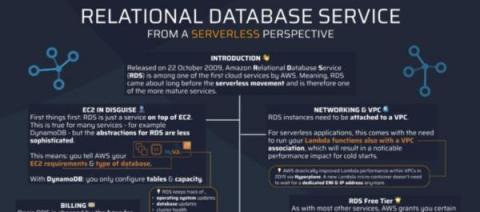
In this article, we’ll deep dive into all the basics to help you decide if AWS RDS is the right decision for your architecture and help you hit the ground running if you do end up AWS RDS. For many decades now, relational databases (RDS) have been the place to store your data. They are pretty flexible often use some kind of SQL dialect, which is one of the main languages taught in computer science classes, and widely understood by the average developer.
Typically, Infrastructure-as-Code or IaCs have had their own languages to learn. For example, if leveraging Terraform most likely you came across Terraform’s native syntax, HCL. Though as software engineers we might be more familiar with other languages of choice. Using a general-purpose computer language vs a provider level syntax does unlock the power of the language; anything you can do in the computer language potentially can be additional methods, calls, etc.
Reliability and serverless are at the forefront of today’s conversation. For this episode Gunnar Grosch, Senior Developer Advocate at AWS, is here to talk about Chaos Engineering, AWS Serverless, and the work that AWS is doing when it comes to reliability.
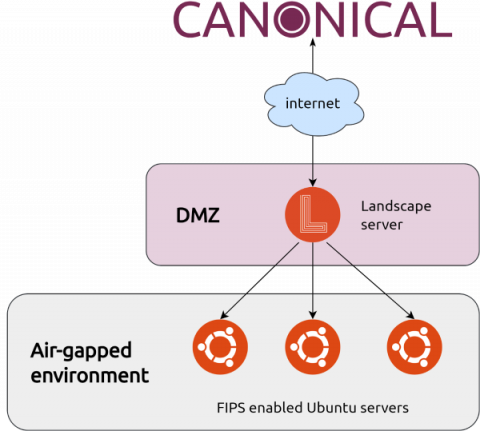
Many US military, government or critical national infrastructure organisation workloads that require FIPS compliance are also required to be deployed in air-gapped environments to provide an extra layer of protection.
The role of an engineer at a startup is a tangled web: as well as writing code, you have to be your own product manager, QA tester, customer support and designer. But there’s another hat that you have to wear which you might not have thought about: copywriter. All products have copy, from welcome messages to text on a submit button. At incident.io, we have to put on our copywriting hats every time we add a new feature.
Postman is a great tool for API testing during development. It’s GUI is simple to learn and ubiquitous. However, manually writing test cases for local development gets tedious fast if you have a lot of endpoints. Meticulously entering every detail for every use case takes forever. Also, if you get one HTTP Header or parameter wrong, it can take hours to diagnose. And even when it’s done, the API tests are almost immediately out of date because the API contract changes.