In today's dynamic cloud computing environment, effective monitoring of cloud services is essential. Developed in partnership with Google Cloud, Google Test Suite offers easy-to-deploy test templates to monitor your Google Cloud Platform (GCP) services.
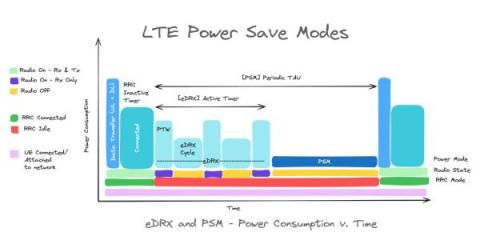
Cellular devices and networks have come a long way, from brick phones and Blackberrys to iPhones and Google Pixels. In addition to being the ubiquitous connectivity protocol that keeps the Internet at our fingertips at all times, LTE is appearing in IoT products across all industries.
Monitoring your network performance is important for many reasons and can help in detecting network issues such as bandwidth congestion, latency, packet loss, or hardware failures. By continuously monitoring your network, you can identify areas where improvements can be made, allowing for optimization of resources, better allocation of bandwidth, and overall enhancement of network efficiency.
Microsoft introduced new Quality of Service (QoS) monitoring rules for Microsoft Teams and their administrators. These rules empower organizations to be notified of Teams call quality issues when users are experiencing problems during audio, video, or screen sharing. This article discusses the new monitoring rules, how Exoprise can enhance the rules, and how to monitor Microsoft Teams effectively.
Virtualization and the creation of many virtual machines (VMs) within the same infrastructure was the solution organizations came up with when faced with expansive, expensive networks that needed more hardware and thus more capital expenditure to host applications. While they resolved the bigger pain points, VMs still have to be monitored as they are heavy on resource usage.
You should read this if you are an executive (CIO/CISO/CxO) or IT professional seeking to understand various Kubernetes business use cases. You’ll address topics like: Many enterprises adopting a multi-cloud strategy and breaking up their monolithic code realize that container management platforms like Kubernetes are the first step to building scalable modern applications.
This blog post aims to dissect the various deployment options available for Rails applications in 2024, emphasizing the choice between native and containerized approaches. It dives into the advantages and drawbacks of each method and explores the hosting options available for each. Let’s dive right in!