PagerDuty ServiceNow Integration
PagerDuty together with ServiceNow empower teams to transform the way they work today and embrace real-time digital operations for hybrid IT environments.


The latest News and Information on Incident Management, On-Call, Incident Response and related technologies.
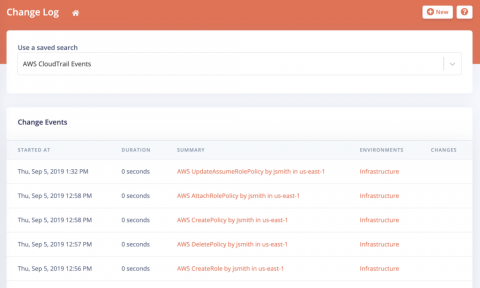
One of the most common reasons for system failures is changes to the underlying infrastructure. Amazon CloudTrail does a great job of recording when actions are taken but a lot of organizations don’t take advantage of it. FireHydrant now includes this data, giving you visibility into changes to your infrastructure while you’re investigating an incident.
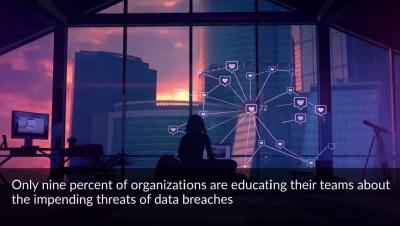
Organizations need to continually ramp up and improve their security and resilience to unexpected incidents. But as the number of endpoints, networks, and user interfaces grow exponentially, the task becomes more difficult, and manual incident response management becomes less and less effective.
Going on call and being awakened at a moment’s notice to put out fires when reputation and revenue are on the line is incredibly stressful. And with DevOps teams under increasing pressure to simultaneously release new products faster while ensuring reliability and quality, burnout is a rapidly growing problem. It’s why #HugOps and empathy are becoming so central to the culture of DevOps.
Our founders created PagerDuty with the simple goal of making the lives of on-call developers better—and in doing that, we’ve championed a new way of working, inspired by the DevOps mindset. From that starting point, we’ve evolved our on-call product into a platform for real-time operations that enables our customers to grow from on-call rotations, to incident management and response, to full digital operations management.
PagerDuty is proud to announce our latest release, which provides a new set of product capabilities and enhancements that further enable you and your teams to securely work in real time—anytime and from anywhere. With this release, we continue to respond to our customers’ needs to build a better platform to help them best manage their digital operations. Enhancements include new innovations for our mobile app and increased platform security by adding email domain restrictions.
When a critical incident strikes and hampers your business operations, it's how you handle what comes next that will make all the difference to the extent of damage and the length of downtime. Chaos in the aftermath does not need have to be the default. Your team can stay focused and cool-headed with a solid incident response (IR) plan.