Operations | Monitoring | ITSM | DevOps | Cloud

The latest News and Information on DevOps, CI/CD, Automation and related technologies.

Introduction to Pipelines on JFrog Platform

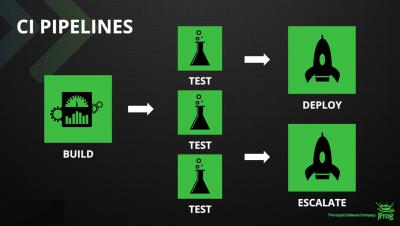
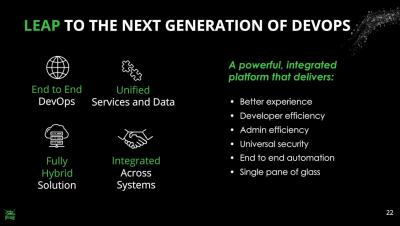
Learn how to optimize your complete end-to-end development and delivery process by using JFrog Pipelines. In this webinar we share a real-life demo of an application lifecycle from Dev to Production. Join us to learn how JFrog Pipelines helps you easily create smart, event-driven workflows across your tools and teams to help you improve the quality and velocity of your releases, and scale your CI/CD adoption across the organization.

Learn snapcraft by example - multi-app client-server snap

Over the past few months, we published a number of articles showing how to snap desktop applications written in different languages – Rust, Java, C/C++, and others. In each one of these zero-to-hero guides, we went through a representative snapcraft.yaml file and highlighted the specific bits and pieces developers need to successfully build a snap. Today, we want to diverge from this journey and focus on the server side of things.

Monitor Apache Flink with Datadog

Apache Flink is an open source framework, written in Java and Scala, for stateful processing of real-time and batch data streams. Flink offers robust libraries and layered APIs for building scalable, event-driven applications for data analytics, data processing, and more. You can run Flink as a standalone cluster or use infrastructure management technologies such as Mesos and Kubernetes.

DevOps 101: Container Registries

This is a repost from the JFrog dev.io blog site. When you’re new to an industry, you encounter a lot of new concepts. This can make it really difficult to get your feet underneath you on an unfamiliar landscape, especially for junior engineers. In this series, I’ll cover tools and terminology common to the DevOps space, plus the occasional newbie-friendly tutorial for emerging or established technologies. If you have a request or suggestion, let me know!

Securing open source through CVE prioritisation

According to a recent study, 96% of applications in the enterprise market use open-source software. As the open-source landscape becomes more and more fragmented, the task to assess the impact of potential security vulnerabilities for an organisation can become overwhelming. Ubuntu is known as one of the most secure operating systems, but why? Ubuntu is a leader in security because, every day, the Ubuntu Security team is fixing and releasing updated software packages for known vulnerabilities.

How Domotz streamlined provisioning of IoT devices

As the number of IoT devices scale, the challenges of provisioning and keeping them up to date in the field increases. Domotz, who manufacture an all-in-one, network monitoring and management device for enterprise IoT networks, found themselves with this challenge that was further compounded by their rapid software release cadence. One of the most crucial and difficult aspects for Domotz to solve was the delivery of automatic updates to the tens of thousands of devices deployed.