Operations | Monitoring | ITSM | DevOps | Cloud

The latest News and Information on Incident Management, On-Call, Incident Response and related technologies.

Coronavirus: From the Office to Working From Home

Coronavirus (COVID-19) is greatly impacting the lives of organizations, employees and stakeholders. With the outbreak’s rising impact, more employees are migrating to remote, work-from-home practices as means of achieving “social distancing.” However, inevitable challenges are emerging with remote workdays. Obstacles include, but aren’t limited to, employee isolation, diminished productivity and poor team communication or collaboration.

IT Operations in the Age of Coronavirus

Coronavirus has been a shock to the system for many IT organizations that are traditionally accustomed to working together in person. When you’re in an office, you can often use informal methods of communication—like swinging by someone’s desk, calling them on their office extension, or even imparting critical information when you run into them in the company cafeteria.

Keep the lights on - how Derdack facilitates remote work, communications and anywhere operations

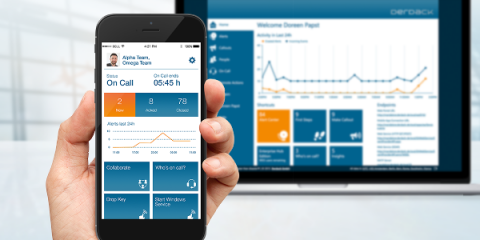
We’ve already heard from a couple of customers that continuous operation of critical IT is a ‘must’ in our turbulent times. Not only to facilitate remote work and home office for an unprecedented number of workers but also to keep critical IT infrastructure going. Our customers attest that Enterprise Alert is most critical for them in today’s challenging times and it helps them to stay afloat and be fully operational from their home offices.

Leverage JIRA with Squadcast throughout the incident lifecycle

Atlassian’s Jira is an issue and project tracking software that helps plan, track and manage projects. Jira is also used by customers and internal teams to log issue tickets for the product and engineering teams to look into and resolve. This forms a feedback loop between the customer-facing and product teams to help drive and deliver the best possible software. Jira is widely adopted by Agile development teams to customize workflows and embrace collaborative resolutions to ship good software fast.

COVID-19 Pandemic: How to Use AlertOps to Keep Your Enterprise Running

The coronavirus (COVID-19) pandemic has forced many global enterprises to temporarily shut down their operations, resulting in lost productivity and revenue losses. Yet, with a business continuity management (BCM) strategy, enterprises are well-equipped to limit business interruptions until the pandemic passes.

Incident Response in the time of Remote Work

The unexpected and sudden shift to remote working introduces a new set of problems within the incident response space. And while each organization needs to take its own unique circumstances into account, this post outlines the best practices and steps that can be taken in the right direction in keeping operations both productive and proactive.

Virtualizing a Network Operations Center

A Network Operations Center (NOC) is a location from which IT support technicians can supervise, monitor, and maintain client networks and infrastructure. Because they act as a central nervous system for many organizations, NOCs are typically located in a central physical location. The global coronavirus (COVID-19) pandemic is an unprecedented situation that is creating new challenges for everyone—and that includes NOCs.

Setting Up a Distributed Crisis Management Team for COVID-19? We Can Help

COVID-19 is forcing many teams into crisis mode, as they rush to meet customer and employee needs in our new socially distanced reality. Organizations with experienced crisis management teams are urgently adding capacity and adapting to distributed working models. And those who haven’t built crisis response teams before are grappling with how to rapidly train employees and get access to the right tools.

How to forward alerts to Slack

Ever since the release of our Teams Integration blog we have received requests from customers on whether we can provide the same functionality for Slack. And the use cases actually are very similar – it is always about an efficient and pragmatic approach to logging issues and tickets that came up during the night by leveraging existing infrastructure and without adding more clutter.

Schedule Rotations

Today, we are excited to announce PagerTree now officially supports schedule rotations! A long awaited feature and requested by many customers, with schedule rotations it’s now easier than ever to schedule a list (or “rotation”) of people for full coverage support. Schedule rotations are available on our Pro and Elite pricing plans and are technically a subset of our “recurring schedules” feature.