The latest News and Information on Containers, Kubernetes, Docker and related technologies.
The Gartner report on How to Run Containers and Kubernetes in Production describes the barriers that are preventing organizations from successfully deploying and managing Kubernetes environments.
Today we’re pleased to announce the availability of Kubewarden 1.4.0. Kubewarden is an open source security policy engine. This 1.4.0 version brings some minor fixes to our controller and helm charts and two new interesting features.
This tutorial describes how to install the Telegraf plugin as a data-collection interface with InfluxDB 1.7 and Docker. In Part 1 of this tutorial series, we covered the steps to install InfluxDB 1.7 on Docker for Linux instances. We describe in Part 2 how to install the Telegraf plugin as a data-collection interface with InfluxDB 1.7 and Docker.
I open my laptop and look over my cases while I slurp down my first cup of coffee. Most of my backlog is waiting on customer updates, or bug fixes. Two of my cases have been marked for closure. Not a bad start for a Monday! A pod CrashLoopBackoff issue was resolved by bumping up memory requests, and the missing metrics issue was solved after applying some Prometheus annotations to the customer’s nginx pods. I notate and close both cases. No sooner do I hear the beep of the badge scanner.
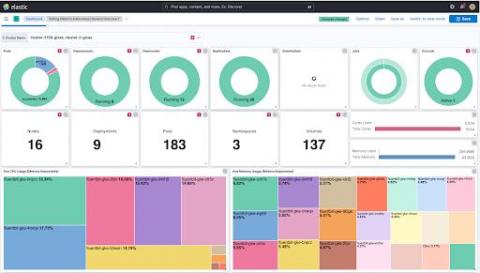
As a developer, it can become challenging to manage Kubernetes and develop applications simultaneously. That’s why we put together this guide to show you how the Kubernetes Dashboard can help developers overcome this problem and get an overview of the cluster and its workloads. From this, developers can focus more on application development while stressing less on cluster management.