Operations | Monitoring | ITSM | DevOps | Cloud

Latest posts

Graylog 3.1 - Release Webinar

Graylog 3.1 is now available! In this webinar learn how to use the new features in your daily routine. We will go through an investigation, visualizing the data and setting it up for re-use in your next investigation. We will also set up a few alerts to get alerted in the off hours. Configuring your data streams for archiving and different time retention will be explained to ensure you are getting your logs in efficiently and up to any compliance needs you might have. Do listen in!

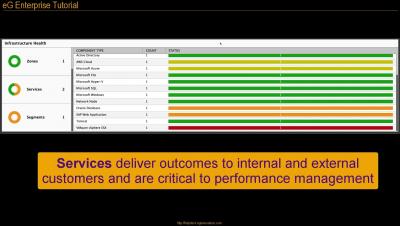
NiCE Domino Management Pack 8.00 released

The NiCE Domino Management Pack delivers first-rate monitoring for your business critical, highly dynamical Domino environments. Get alerts on impacted Domino components that are vital to your business and prevent losses by upfront action. Leverage your existing investment, reduce costs, save time and build efficiencies that will last beyond your expectations.

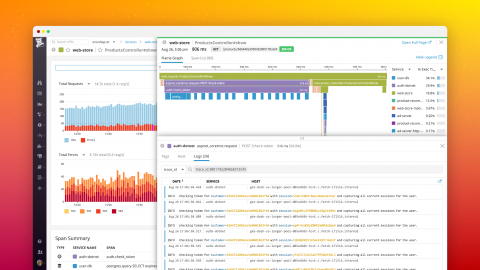
Troubleshoot .NET apps with auto-correlated traces and logs

Collecting observability data like metrics, traces, and logs makes it much easier to identify bottlenecks and other performance problems in your .NET applications. When you need to troubleshoot a production incident, it’s especially important to be able to navigate all that data so you can find the source of the issue and enact a timely resolution.


IG Reduces Alerts by 86% With PagerDuty Event Intelligence

IG is a world-leading provider of contracts for difference (CFDs) and financial spread betting services. In this video, Danny Nicholls, Application Support Analyst at IG, shares how PagerDuty helps reduce alert storms and provides analytics that enable full visibility into the system and business impact of their services.

Authentication and Authorization for multiple Kubernetes clusters with Rancher

A Kubernetes cluster is a collection of resources running across multiple nodes. Managing these resources also entails granting and controlling users' access to them. Different teams could be running their applications on the same cluster. Configuring RBAC is essential when it comes to such multi-tenant setups. Grouping resources into namespaces and giving certain teams access to them is a good start. Rancher leverages this to more effectively group the cluster's resources into larger subsets called projects.