Mailchimp
Not subscribed to OpsMatters Newsletter


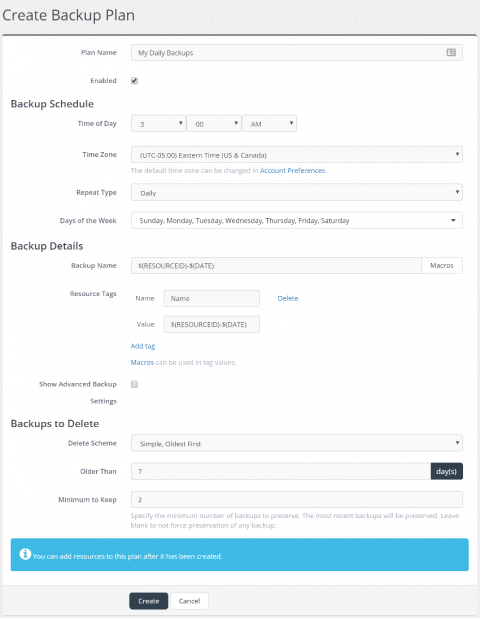
Today, I’m happy to announce a significant new feature to Skeddly: Managed Backups. Once you have created your plan and added resources, Skeddly will create the necessary actions to create and delete those backups according to your desired schedules.
We are thrilled to announce the formal launch of our global partner program. This program will provide more routes to market for distributors and value-added resellers (VARs) and create new service opportunities for managed service providers (MSPs), systems integrators (SIs), and consulting partners.
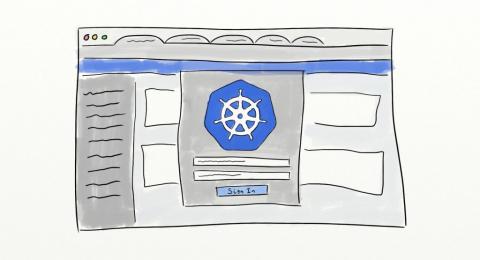
Over my last two posts (part 1 and part 2), I have investigated user authentication in Kubernetes and how to create a single sign-on experience within the Kubernetes ecosystem. So far I have explained how Open ID Connect (OIDC) works, how to get started with OIDC and how to perform a login from the command line. The final piece of this puzzle is the Kubernetes dashboard, often used by our engineers alongside kubectl.
Researchers at Netflix and Google recently reported a vulnerability in the HTTP/2 protocol that enables adversaries to execute a DOS attack by legitimate use of the protocol. These types of attacks are very difficult to detect and mitigate because the traffic is valid HTTP/2 traffic. While HTTP/2 is a relatively new protocol it should be noted that even after several years of hardening we still see vulnerabilities for the TCP protocol like the recently reported SACK vulnerability.
AWS introduced the Serverless Application Model (SAM) to ease the building of serverless applications on AWS. Essentially, it is an extension of AWS CloudFormation, and consists of two major components: SAM template specifications and SAM CLI. In this article, we’re going to share five tips to get the most out of AWS SAM templates. So, without further ado, let’s dive right in.
It may be back-to-school month, but the glitches never went on summer vacation! Check out the glitches that occurred since our last report…
Demand forecasting is the process of predicting future demand for a company’s products or services. Understanding how many customers will want to purchase or use something is critical for acquiring inventory, planning capacity, scheduling resources, producing products and managing the supply chain. How many people should you schedule for a work shift? How many widgets should you produce this quarter? When should you build additional capacity into your systems?
I’ve spent a lot of time with the development community over the years but every time I get to talk to people in the serverless community I’m constantly surprised by the passion and the general excitement over this technology. Below is one of the latest of said topics and I wanted to share it with you.
What a pleasure it was to see many of our customers at our Illuminate user conference, September 11-12. We had record attendance from customers, influencers, and partners. Our time was packed with keynotes, customer presentations (35 customer breakout sessions), certifications, sharing best practices, and time networking and having fun together.
Jim Barksdale, former CEO of Netscape, once said “If we have data, let’s look at data. If all we have are opinions, let’s go with mine.” While Jim may have said this in jest, the exponential boom in data collection indicates that we increasingly prefer to rely on facts rather than conjecture when making business decisions. More data yields greater insights about customer preferences and experiences, internal processes, and security vulnerabilities — just to name a few.