Mailchimp
Not subscribed to OpsMatters Newsletter


Red Hat OpenShift is a Kubernetes-based platform that helps enterprise users deploy and maintain containerized applications. Users can deploy OpenShift as a self-managed cluster or use a managed service, which are available from major cloud providers including AWS, Azure, and IBM Cloud. OpenShift provides a range of benefits over a self-hosted Kubernetes installation or a managed Kubernetes service (e.g., Amazon EKS, Google Kubernetes Engine, or Azure Kubernetes Service).
In Part 1, we explored three primary types of metrics for monitoring your Red Hat OpenShift environment: We also looked at how logs and events from both the control plane and your pods provide valuable insights into how your cluster is performing. In this post, we’ll look at how you can use Datadog to get end-to-end visibility into your entire OpenShift environment.
In Part 1 of this series, we looked at the key observability data you should track in order to monitor the health and performance of your Red Hat OpenShift environment. Broadly speaking, these include cluster state data, resource usage metrics, and information about cluster activity such as control plane metrics and cluster events. In this post, we’ll cover how to access this information using tools and services that come with a standard OpenShift installation.
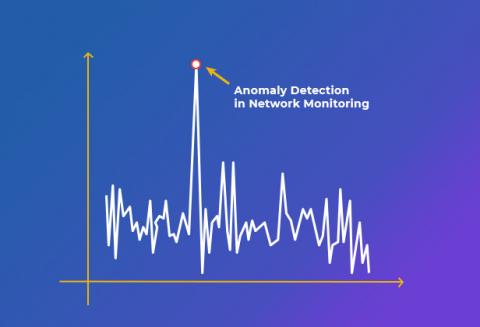
There are some really crucial metrics that are valuable in terms of the insights they offer. Such metrics include user logins, application throughput, network usage and more. Ironically however, some of these metrics are also the ones that are the most variable, having definite valleys and peaks depending on specific times of a week and because of this, it becomes invariably difficult to set up thresholds for analysis and investigation.
While some companies have never experienced a serious outage in services, it's still smart to invest in a monitoring tool for detecting server downtime. In doing so, it's possible to diagnose problems before they spiral out of control. Organizations may first consider free, open-source tools as a cost-effective alternative to paid enterprise versions. However, these free tools require deeper technical understanding to use them efficiently, with regular manual configurations and updates.
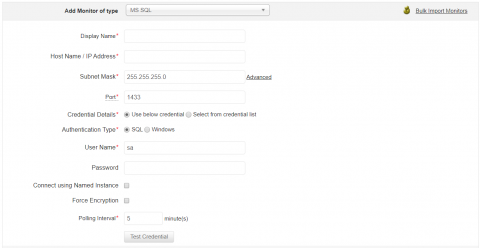
MS SQL, Microsoft’s relational database management system (RDBMS), is known for its broad spectrum of capabilities such as transaction processing, business intelligence, and analytics. This is why most businesses trust and invest in SQL for their data storage and access needs. What are the benefits of monitoring SQL servers? Applications Manager offers proactive SQL server monitoring.