Operations | Monitoring | ITSM | DevOps | Cloud

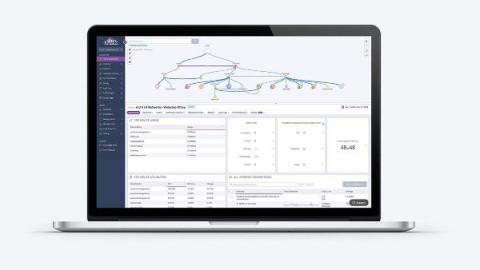
A simple new way to visualize Prometheus

Even if you don’t work with Prometheus day-to-day, you most likely have heard of it. After Kubernetes was donated to the Cloud Native Computing Foundation (CNCF), Prometheus became the second project to be incubated soon after. That was back in 2016 and it is still one of the most active CNCF projects. Why is it so popular? It’s the de facto monitoring tool for containerized workloads running on-prem and in the cloud – that is, it’s the monitoring tool for Kubernetes.

Windows 365 vs. Azure Virtual Desktop: Which is Right for Your Business?

Since the COVID-19 pandemic, organizations have shifted their workforce to remote and hybrid operations. This transition has birthed a new demand for cloud-based desktop solutions to let employees access their desktops from anywhere. The demand for these solutions spotlights services like Windows 365 vs. Azure Virtual Desktop (AVD). These two services move desktop environments to the cloud, facilitating collaboration between teams.

CloudTrail Vs. CloudWatch: A Full Comparison Guide

One tracks what happened, who did it, and when it happened. The other monitors how your systems are performing so you can see why and do something about it. Knowing the difference between CloudTrail vs. CloudWatch isn’t just helpful for engineers. It’s essential for finance and leadership teams, too. That’s because the two services can quietly rack up costs in the background.

How to Make the Most of Your Auvik Demo

A live demo is one of the easiest ways to see if Auvik fits your network management needs. In just one session, a product expert walks you through core workflows, highlights features that matter to your team, and answers your toughest questions — no setup required. If you’re thinking about switching network monitoring solutions, a demo can be more helpful than a trial.

Sentry's AI debugger now references traces for troubleshooting distributed systems

Debugging is an ever-present pain for all developers, and that will continue despite, or maybe even thanks to, the rise of AI-written code. Tools like Sentry have been around for a while to help us engineers track and debug issues, but it’s tempting to make that process even faster and easier with some shiny new AI tools. Sure, I could just copy-paste the exception’s stack trace from Sentry into ChatGPT, but what if I really wanted something smart?

Accelerating Observability Adoption: Why Self-Service Isn't Optional Anymore

For observability adoption to scale, you must eliminate the bottlenecks. A self-service approach is the only sustainable model, enabling all teams–not just a select few–to access, implement, and scale observability easily. But making the shift requires more than access: you have to design for it.

Simplifying Container Observability for DevOps Teams

In modern microservices architectures, container observability is crucial for maintaining reliability and performance. It helps teams detect issues early and optimize distributed systems. This guide will walk you through the essentials of container observability, including advanced techniques and troubleshooting strategies to ensure your containerized applications run smoothly.

AWS Centralized Logging: A Complete Implementation Guide

In cloud environments, logs are often spread across numerous services, making it difficult to track down issues or gather meaningful insights. For AWS users, this challenge can become especially time-consuming. Centralized logging in AWS helps by bringing all your logs into a single platform, making management and analysis easier.

The Guide to Kubernetes Debugging

Kubernetes is widely used for deploying, scaling, and managing systems and applications and is an industry standard for container orchestration. Google engineers originally developed Kubernetes as an open-source project. Its first release was in September 2014, and since then, it has matured into a graduate project maintained by the Cloud Native Computing Foundation (CNCF). With the complexities of scale and distributed systems, debugging in Kubernetes environments can be difficult.

Enterprise Policy Management Example: Quarantine Packages Using Policy as Code

Cloudsmith built Enterprise Policy Management (EPM) on Open Policy Agent (OPA) and uses Rego to define policies as code. These policies control how packages move through your systems. They're versioned, reviewable, and enforceable. EPM is in early release, but it already draws on extensive metadata Cloudsmith collects from your artifacts: format, version, tags, license, vulnerability, malware scan results, and digital signatures.