Operations | Monitoring | ITSM | DevOps | Cloud

The life of a sysadmin: Encircled by excessive tools

It’s 3am, and you’re woken up by frantic calls and messages from users at your company—this is the everyday life of a sysadmin. Constantly surrounded by numerous tickets and persistent users who require immediate solutions, the life of a sysadmin is not a bed of roses. Their tasks are not limited to server management, maintenance, and repair, but also completely supporting a smoothly running production environment with minimal or no complaints from end users.


Fixing Native Apps with Sentry

Whether it’s a computer game, IoT device, or high-performance backend, chances are you’re using a native language to develop this application. Hands down, by far the most popular choices today for native application development are C and C++. Okay, maybe not the most popular, but definitely the most prevalent. Some might even say “inevitable.”

September 2019 Online Meetup: Implementing Infrastructure as Code

Infrastructure-as-Code, a DevOps best practice, is a workflow that involves managing and configuring your environments through source control. This allows teams to move faster and with fewer errors when making changes to production environments. If a mistake does occur, your environment and apps can quickly be reverted back to a previous state. Save time, increase productivity, and reduce the cost of inevitable human error.

Python Profilers

Python performance measurement tools help us to identify performance bottlenecks in our app. This allows us to focus on the business logic as opposed to writing custom code, setting it up with our app, and then figuring out whether the results are accurate enough. These tools are well tested by the open source community and used by many companies to measure the performance of their web apps.

How to Add Assets in Asset Infinity

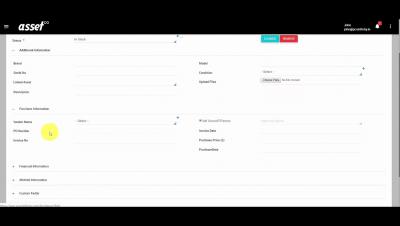
In this video, we will show you how to add an asset. Click on the add asset button on the homepage. Add asset form will open. Enter the required details of the asset. Such as - Asset name: Enter asset code or leave it blank to auto-generate. Asset code format can also be set under advanced settings. Asset category: Select a category for your asset from the drop-down list. Asset location: Add the location of the asset.

How to Schedule an Activity in Asset Infinity

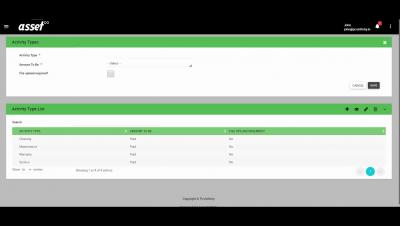
In this video. We will show you how to schedule an activity in Asset Infinity. This feature can be used to schedule activities for preventive maintenance of assets. An activity can be scheduled with or without an asset. First, select the asset for which activity is required to be scheduled. Click on the schedule activity button present on the home page. Here, you can create single or multiple schedules for the selected assets.

How to Transfer an Asset in Asset Infinity

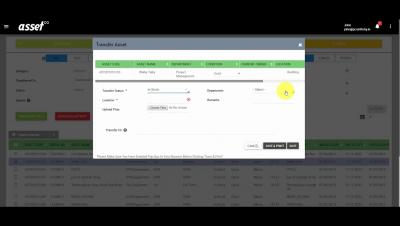
In this video, we will show you how to transfer an asset. This feature allows you to transfer single or multiple assets First, select the asset that needs to be transferred, further click on the transfer asset button. A pop-up form will open up with details of the asset such as asset code, name, department, current owner and condition will be displayed on top of the pop-up form. Now you should enter the transfer details. Select the transfer status like in use or in stock. The status options can be managed from application settings.

Serverless API with ReactJS

The article, Serverless API with ReactJS, was first published on the Serverless Guru website. Let’s build a Serverless REST API for our ReactJS website! In my last article, Deploy ReactJS App with S3 Static Hosting, we discussed hosting a simple React app on AWS with S3. This works great for simple static pages but what if you want to do something more? How do you host your API on S3?