NiCE VMware MP 5 10 Release
NiCE VMware Management Pack 5.10 | VMware monitoring made easy


We’ve all been in the situation where suddenly you are the lone developer on call while everyone is out of pocket. Or in the case of Grafana Labs Director of UX David Kaltschmidt, his then business partner, Grafana Labs VP of Product Tom Wilkie, was checking out for a weekend music fest. “Tom and I founded a company a couple of years ago, and I’m more of a frontend person. Tom did all the backend and devops stuff,” explained Kaltschimdt.
Congratulations Twistlock! One of the best signs of an emerging market is when existing, massive players are willing to put hundreds of millions of dollars on the line to get into that market right now. Given today’s Twistlock acquisition by Palo Alto Networks, and other recent acquisitions like Heptio/VMware, we believe this is happening in the cloud-native market. Congratulations to Twistlock on their success.
The mechanism for interacting with Kubernetes on a daily basis is typically through a command line tool called kubectl. kubectl is primarily used to communicate with Kubernetes API servers to create, update, delete workloads within Kubernetes. The objective of this tutorial is to provide an overview of some of the common commands that you can utilise, as well as provide a good starting point in managing Kubernetes.
Container orchestration and cloud-native computing has gained lots of traction the recent years. The adoption has increased to such level that even enterprises in finance, banking and the public sector are interested. Compared to other businesses they differ by having extensive requirements on information security and IT security. One important aspect is how containers could be used in production environments while maintaining system separation between applications.
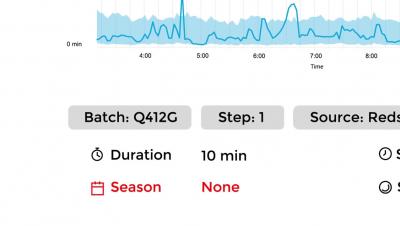
Last week I rolled out a simple patch that decimated the response time of a Postgres query crucial to Checkly. It quite literally went from an average of ~100ms with peaks to 1 second to a steady 1ms to 10ms. However, that patch was just the last step of a longer journey. This post details those steps and all the stuff I learned along the way. We'll look at how I analyzed performance issues, tested fixes and how simple Postgres optimizations can have spectacular results.