Operations | Monitoring | ITSM | DevOps | Cloud

How to Stop the Use of Anonymizer Websites on Your Network With SolarWinds Security Event Manager

Your organization has internet use policies in place for multiple reasons: protecting your network against security breaches, keeping organizational costs down, and protecting your employees, end users, or customers. Anonymizer websites provide a workaround to these policies that can put your organization at risk. In this video we'll show you how to identify and stop the use of anonymizer websites on your network with SolarWinds Security Event Manager.

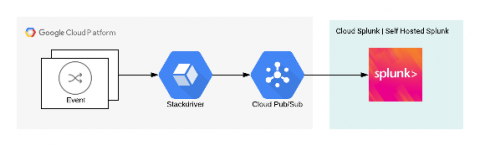
Stackdriver Push to Splunk

During my career (in technology), I have dealt with many clients to whom security was one of the main areas of concern. As such, there’s always room for improvement but without a shed of a doubt, communications direction and stateful firewalls are some of the very first elements to consider. When it comes to logging and audit information, as a rule of thumb, it’s good to have a log aggregator stored outside of the scope of a cloud provider. A great log correlation out there is Splunk.

Episode 0: Introducing Request Metrics

Request Metrics is a web performance tool that records how fast your production Page and API endpoints are from your users’ perspective. We are doing something a bit different as we build Request Metrics: all our development sessions are recorded! Follow along as we work our way towards the Version 1 release. We’ll edit out the wrong turns and dead ends, saving you the time we lost along the way.

Episode 3: SSH Keys For Server Authentication

In the previous video, we created a build for our new project. Now we are configuring access to the development server using SSH keys. Follow along as we create a new SSH key pair using Git Bash. We'll use PuTTY and the new key to SSH to our Linux server from a Windows machine. Generating a new SSH key is not too difficult, but there are a few gotchas when using Windows. We are going through this exercise because Eric and Jordan develop on Windows. Todd watches in amusement as his MacOS machine "just works".

On Hermes and Mattermost

With the upgrade to React Native 61 came the prospect of substantially improving performance of our Android app. How? Through the use of Hermes, Facebook’s new JavaScript engine. To say that we were excited is an understatement. And with that excitement came curiosity: How is this new JavaScript engine achieving performance boosts?